Case: Makita Denmark
Three areas of Extended Producer Responsibility, extensive data requirements and limited influence over product design. For Makita Denmark, EPR first and foremost became a matter of getting data, structure and interpretation under control. With sparring from Retur, they built a setup that works in practice — and turned EPR from a one-off project into an ongoing process.
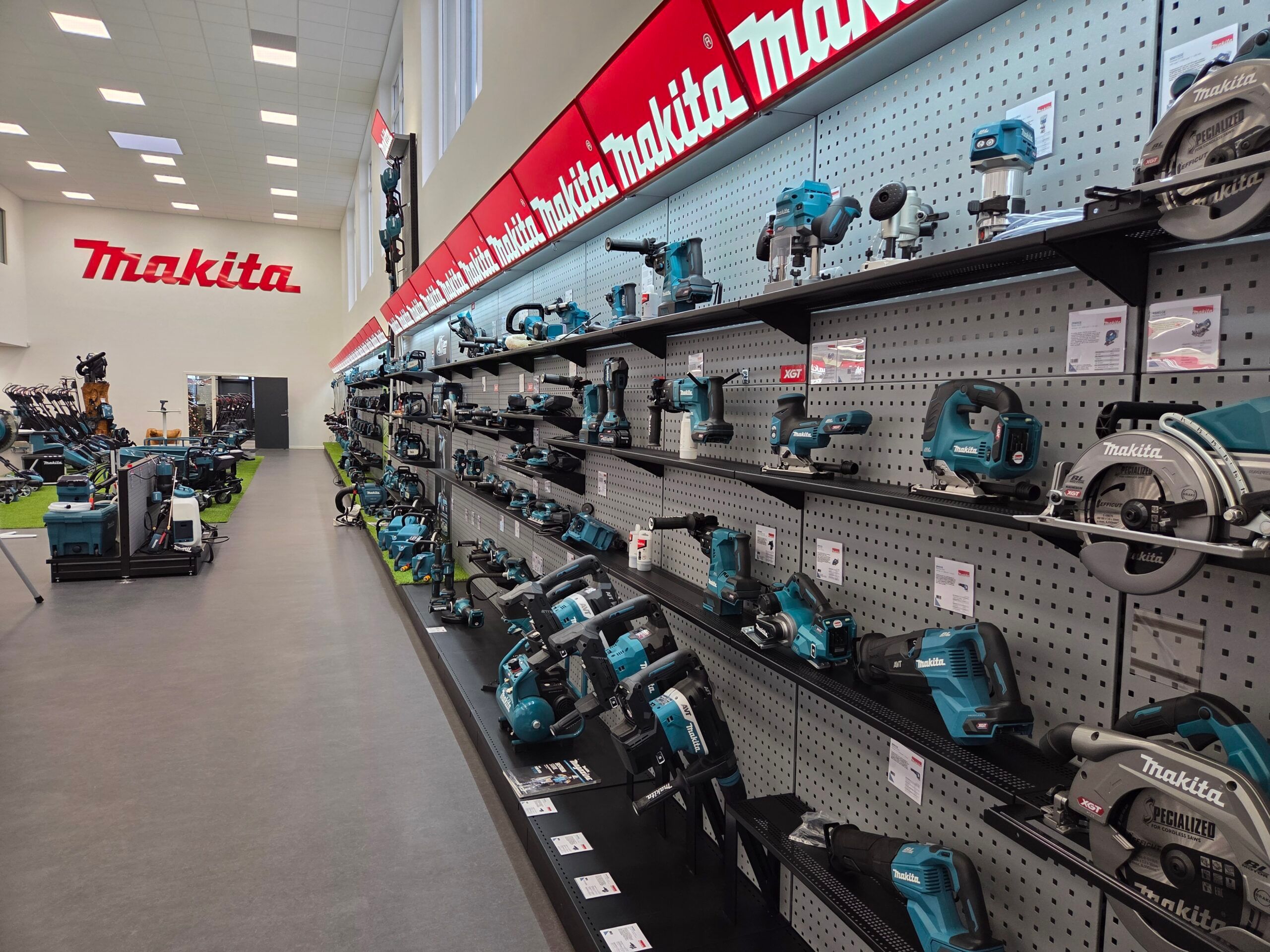
If you have ever visited a construction site, an installer or a workshop, you have probably seen it: Makita’s distinctive blue-green tools. Behind the colour is a global Japanese group with almost 125 years of history — and a Danish sales organisation serving a broad customer base, from professionals in construction and installation to forestry, gardening and facility management.
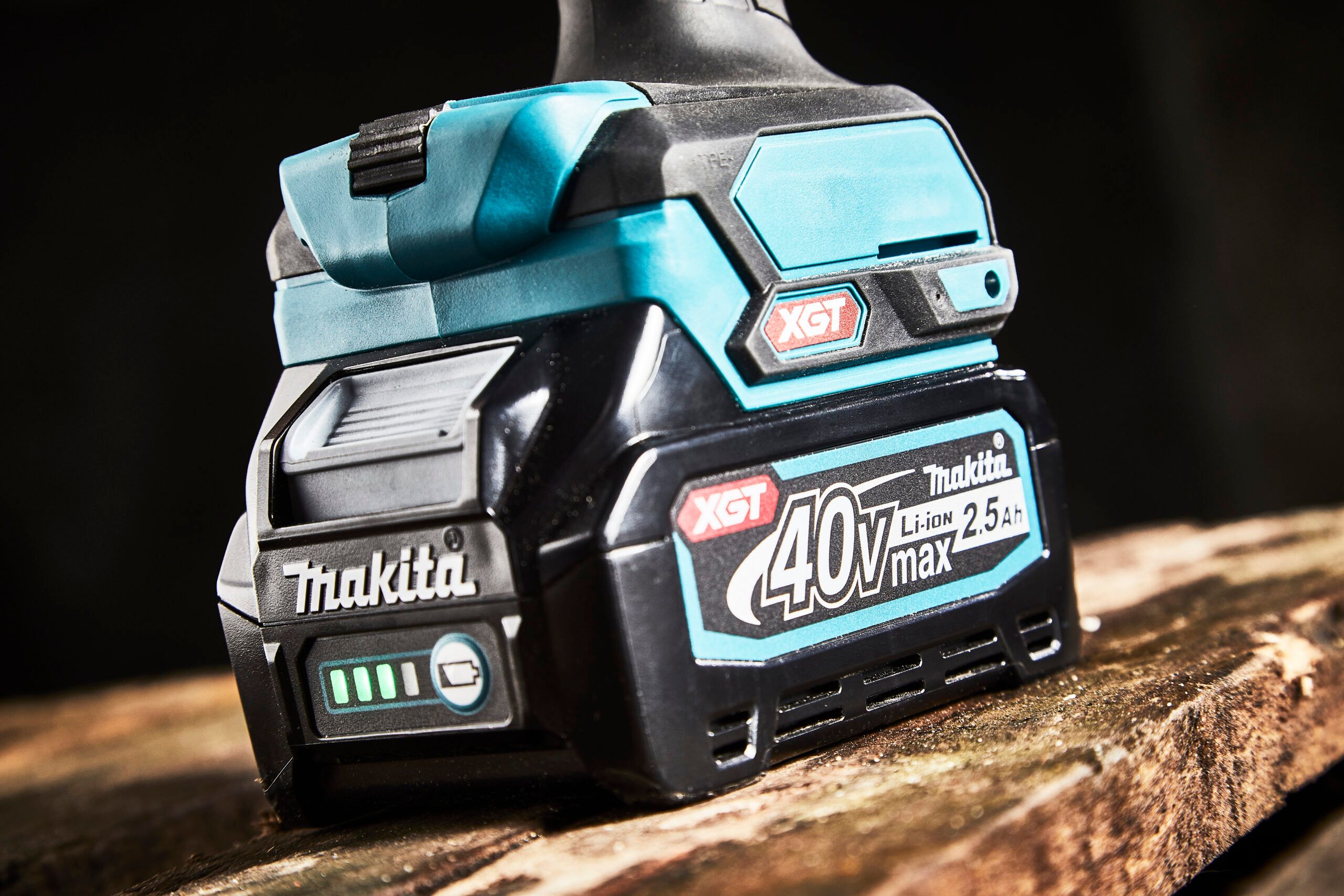
With more than 650 different types of tools in its product range and three battery platforms that make tools and batteries compatible across models, Makita’s product catalogue is both a strength and a complexity.
Christian Asp Laursen, Supply Chain Controller at Makita Denmark, has experienced that first-hand since packaging was added as a third area of EPR.
“It provides good service for customers, but it also adds complexity when you need to manage data across products, batteries and packaging,” he says.
Three areas of EPR in one organisation
When Christian Asp Laursen joined Makita, the company already had EPR obligations for electronics and batteries. Packaging was added shortly afterwards, and that was when it became clear to him what this type of work actually requires.
The challenge was not just to map cardboard and plastic. It also involved wood, ceramics, oil and everything else that may be found in and around packaging. It was also a matter of understanding where the boundaries were: what counted as transport packaging, and what was part of the product itself?
Makita Denmark does not design the products or the packaging itself. That is handled centrally in Japan. This means that Makita Denmark has to navigate local EPR requirements, even though both data and design decisions are made globally.
When the company started digging into the data, gaps quickly appeared. Some products were documented. Others were not. In some cases, Christian had to obtain data from sister companies in other countries — only to find that they did not necessarily calculate things in the same way.
“There were quite a few products where we had to go back through the chain and find out: What do these items weigh? What are the product dimensions? What are they made of?” Christian explains.
From an unmanageable task to a fixed process
What began as a difficult task to get a handle on is now a fixed part of Makita’s operations.
This has been achieved by extracting data from the company’s own ERP system, building a setup that can be repeated year after year, and using Retur as an ongoing sparring partner — not just as a reporting tool.
“I have relied heavily on Retur’s solution and used it as inspiration to build our own setup. Before, it was a bit unmanageable and cumbersome. Now it has been put into a system,” Christian explains.
The response time in particular has made a practical difference, because questions arise when you are in the middle of the work — not necessarily during office hours.
“Half an hour later, I have had an answer in my inbox,” says Christian.
As a result, the work connected to EPR now largely comes down to just a few clicks.

Better safe than perfect
Along the way, Makita has made a number of deliberate choices that reflect a pragmatic approach: when data is uncertain, it is better to pay a little more than risk ending up on the wrong side of the rules.
Makita primarily sells to professionals. In practice, that is where most of the products end up. But the documentation does not exist, and without it, the company cannot use the more favourable calculation method.
“We know that the vast majority of our products end up there, but we do not have the figures to support it. So we choose to treat it as household-related and use the most conservative calculation method. And I am fully aware that this makes it more expensive.”
The same logic applies to packaging eco-modulation. When the data is not sufficient, Makita reports in the red category — and pays accordingly.
“We would rather pay the higher fee now than take that risk,” Christian says.
An eye-opener for data and design
EPR has not only affected compliance. It has also made the organisation more aware of what it knows — and what it does not know.
“It has made us much more aware that we simply need to structure things properly,” Christian says.
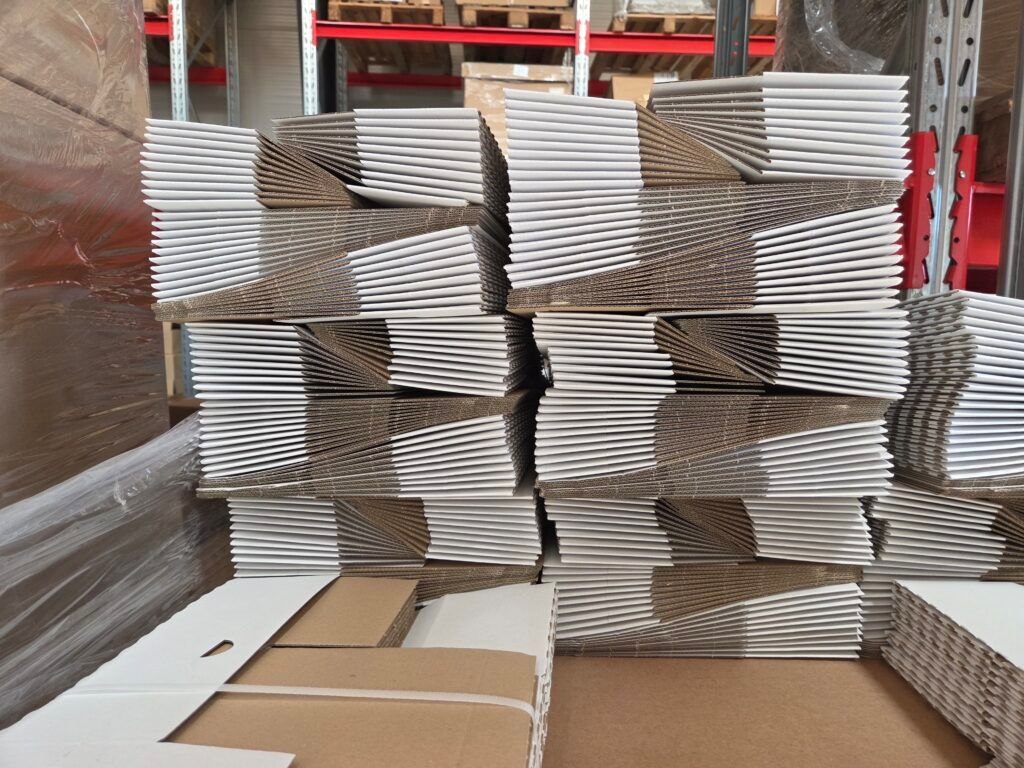
And even though Makita Denmark cannot change product and packaging design centrally in Japan, the signals are beginning to work their way back through the chain. Products are increasingly arriving in simpler packaging, without logos and unnecessary print.
It is not a breakthrough. But it is a sign that demand further down the system can make a difference.
Makita Denmark’s advice to other companies
Christian’s advice is simple:
Get your data under control — and make it a process, not a project.
Find someone who can help interpret the requirements. Questions such as which categories to fill in and what belongs where are rarely obvious. And they do not have to be, if you have someone to ask.
Asked whether he would recommend Retur to others, his answer is clear:
“Absolutely. I think it has been a really good collaboration.”