EU has ambitious targets for critical raw materials - but they will be difficult to reach
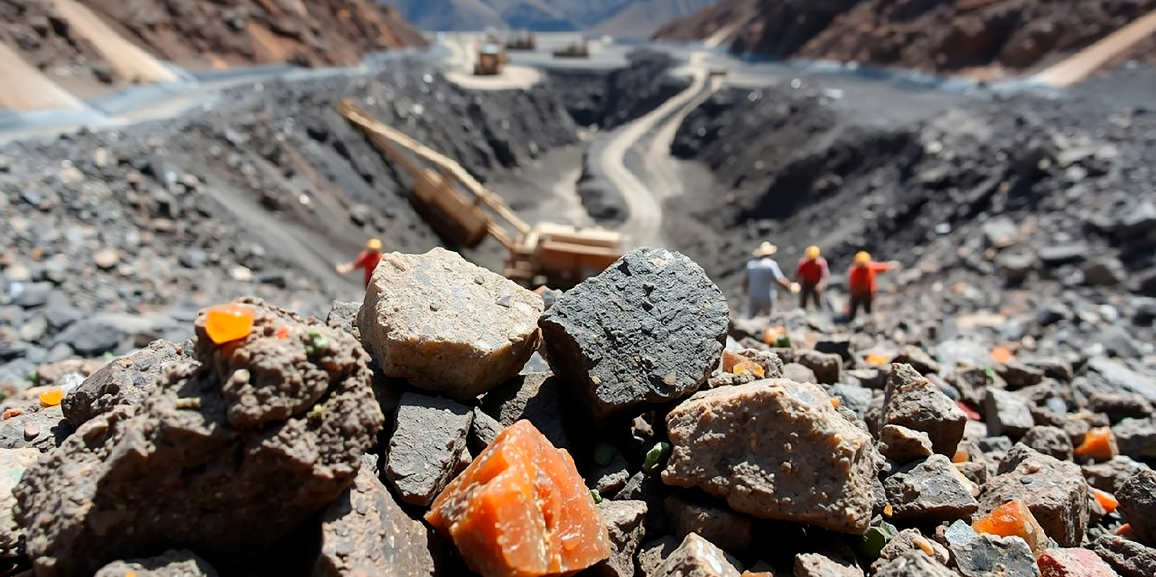
Batteries, wind turbines and solar energy are among the technologies the EU considers essential for both the energy transition and greater strategic self-sufficiency.
Critical raw materials such as lithium, cobalt, nickel, copper and rare earth elements are used in many of these technologies, and demand is therefore expected to rise significantly in the coming years.
In the short term, this will lead to more mining and extraction of virgin materials. But some of the raw materials the EU needs are already present in products that are either still in use or have entered the waste stream as electronic waste.
“If Europe wants to reduce its dependence on imports of critical raw materials, it makes obvious sense to look at the resources that already exist in products on the market,” says Morten Harboe-Jepsen, CEO of Retur, of which Elretur is part.
The report from the European Court of Auditors, published on 2 February 2026, points out that recycling of many critical raw materials remains far below the EU’s own ambitions.
The EU’s Critical Raw Materials Regulation sets a target for at least 25% of the EU’s annual consumption of strategic raw materials to come from recycled sources by 2030.
The EU has identified 34 critical raw materials, 17 of which have been designated as strategic because they are considered particularly important for areas such as the energy transition, digital infrastructure and security of supply.
But the report shows that, in practice, recycling remains far below this level for many materials.
According to the report, seven of the raw materials that are central to the energy transition are currently recycled at rates of only 1–5%, while ten are not recycled at all.
At the same time, the European Court of Auditors points out that the EU’s recycling targets are largely input-based. This means that the targets primarily focus on the total amount of waste collected or treated for recycling. A system may therefore meet its recycling targets without necessarily recovering the critical raw materials.
The report also points to a lack of economic incentives to extract raw materials that are technically difficult or costly to recover from waste streams.
“That is why there is significant potential in the products that have already been placed on the market. But today, European systems are largely designed to handle volumes of waste — not necessarily to ensure that the critical materials are actually recovered,” says Morten Harboe-Jepsen.
Electronic waste contains significant amounts of critical raw materials.
However, collection rates for waste electrical and electronic equipment are still below the targets set in the WEEE Directive. This means that valuable materials are, in practice, being lost.
At the same time, the WEEE Directive does not necessarily ensure that the critical raw materials in electronic products are actually recovered. The directive focuses primarily on the collection and treatment of waste as a whole — not on the recovery of specific materials.
The European Commission has therefore issued recommendations to Member States and launched infringement procedures against a number of countries that do not meet the collection requirements.
“This is an example of regulation sometimes measuring the wrong thing. We are good at measuring how much waste we collect, but not necessarily how much of the critical raw materials we actually return to the economy,” says Morten Harboe-Jepsen.
Electronic waste does not only contain materials. In many cases, it also contains products that can still function.
In the waste hierarchy, reuse ranks above recycling. When products can be tested, repaired and brought back into use, both their function and their materials remain in the economy for longer.
In Denmark, Elretur works with this approach through Denmark’s first reuse facility for electronics, Electronic Reuse and Recycling, which was established in collaboration with HJHansen in 2025.