The EU is preparing a comprehensive revision of the WEEE Directive with a focus on harmonisation and critical raw materials
The revision of the WEEE Directive follows recent updates to the EU’s battery and packaging legislation, where the focus has been on more harmonised rules and strengthened extended producer responsibility across Member States.
According to the European Commission’s initial considerations, the WEEE framework needs to be adjusted in order to:
At the same time, the legislation must be adapted to a significantly changing market reality, including new technologies such as lithium-ion batteries, miniaturised components, and new product categories such as IoT devices, wearables, and electric mobility equipment.
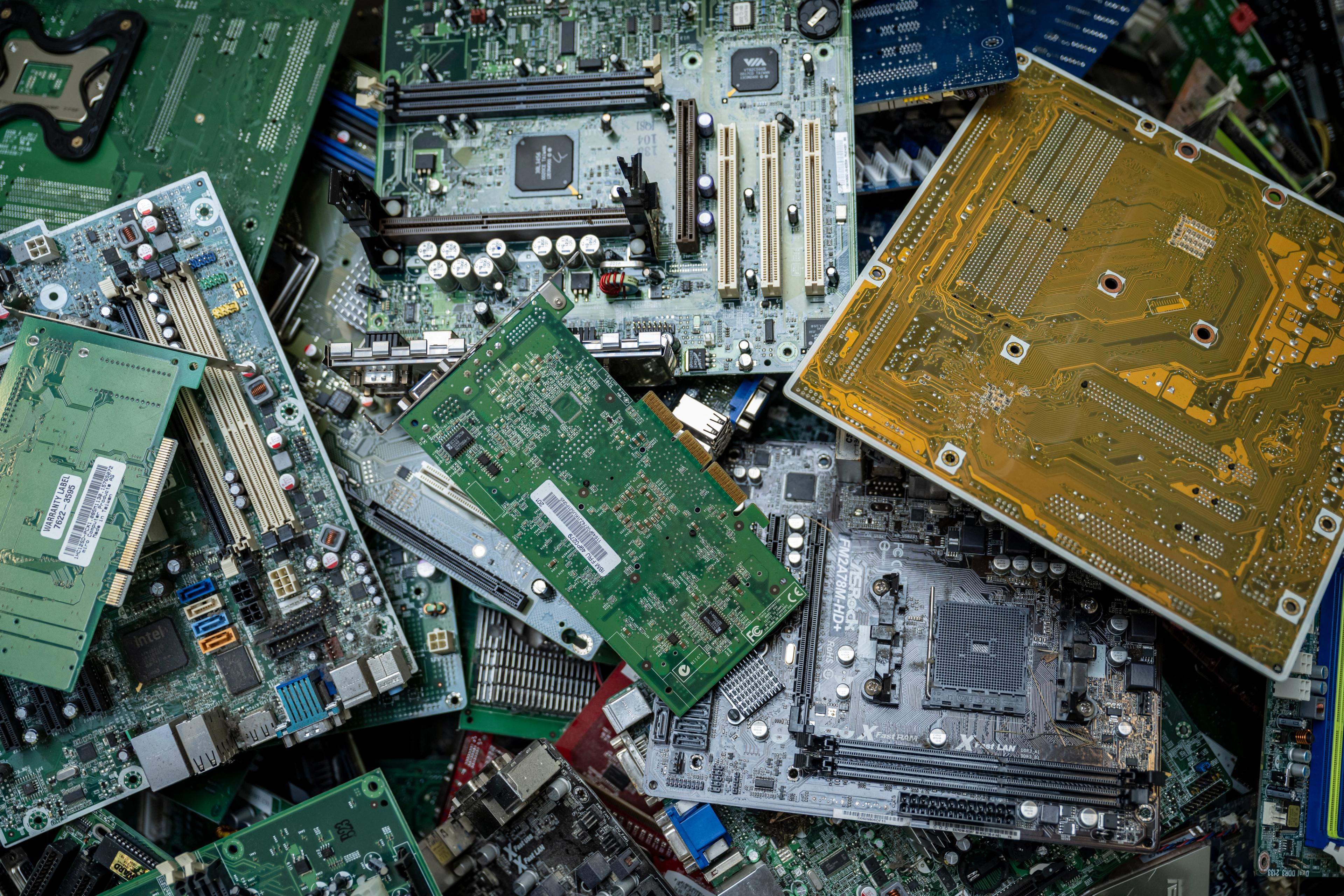
Today’s waste streams are increasingly characterised by small electronic devices, battery-powered products, and more complex material compositions. Despite progress, around half of the EU’s electronic waste is still not properly collected, and only about 40 percent is effectively recycled.
A key theme in the upcoming revision is the recovery of critical raw materials (CRMs), which are currently only partially captured through existing systems.
At the same time, the EU is placing increasing emphasis on supply security and the need for secondary raw materials as part of the green and industrial transition.
A central question in the policy process is how rules can best be harmonised across EU Member States.
Among other things, discussions include whether the WEEE Directive should remain a directive or, as has been the case with battery and packaging legislation, be transformed into a regulation.
It is also being considered whether the WEEE framework should be more closely integrated into a future EU Circular Economy Act.
The European Commission’s direction generally points towards more harmonised rules, increased transparency, and reduced administrative complexity for producers, particularly small and medium-sized enterprises.
Although the final content of the revision is not yet defined, several potential changes are already emerging, including:
The move towards greater harmonisation of producer responsibility is widely supported across the industry, where there has long been a focus on reducing complexity and ensuring more consistent frameworks across Europe.
At the same time, this development highlights the need for robust systems capable of managing the growing complexity of electronic waste and ensuring higher quality in collection, reporting, and recycling.
For producers of electrical and electronic equipment, a future revision of the WEEE Directive will bring both challenges and opportunities.
There will be an increased need to integrate circular principles into product design, including longer product lifetimes, improved reparability, and greater material recyclability.
At the same time, requirements for data, documentation, and material recovery are expected to become more stringent.
As a collective producer responsibility organisation, Elretur closely follows these developments in cooperation with European partners.
The evolution of WEEE regulation underlines the growing importance of efficient and well-functioning collection and recycling systems that can ensure both high environmental performance and increased access to secondary raw materials.
At the same time, it highlights the continued need to strengthen data quality, transparency, and harmonised frameworks across the EU – benefiting both producers and the circular economy.