Green Cotton Group: Data must be part of the business

In the coming years, textile companies will need to collect, structure and report more information about their products as a result of extended producer responsibility.
Green Cotton Group A/S develops and manufactures private label clothing and works with areas including product development, sourcing and production.
Working with documentation and data is nothing new for Green Cotton Group.
“We have been part of the Sector Collaboration (a collaboration between the Danish Ministry of Environment and the textile industry on shared circular targets, facilitated by Lifestyle & Design Cluster, ed.) from the very beginning and were among the first ten signatories. What appealed to us was the fact that it was an industry-wide collaboration. The textile industry can otherwise be difficult to open up because we are competing with one another,” says Sanne Nørgaard, CCO at Green Cotton Group and Chair of the Sector Collaboration.
Green Cotton Group was also attracted by the collaboration’s focus on compliance, documentation and data.
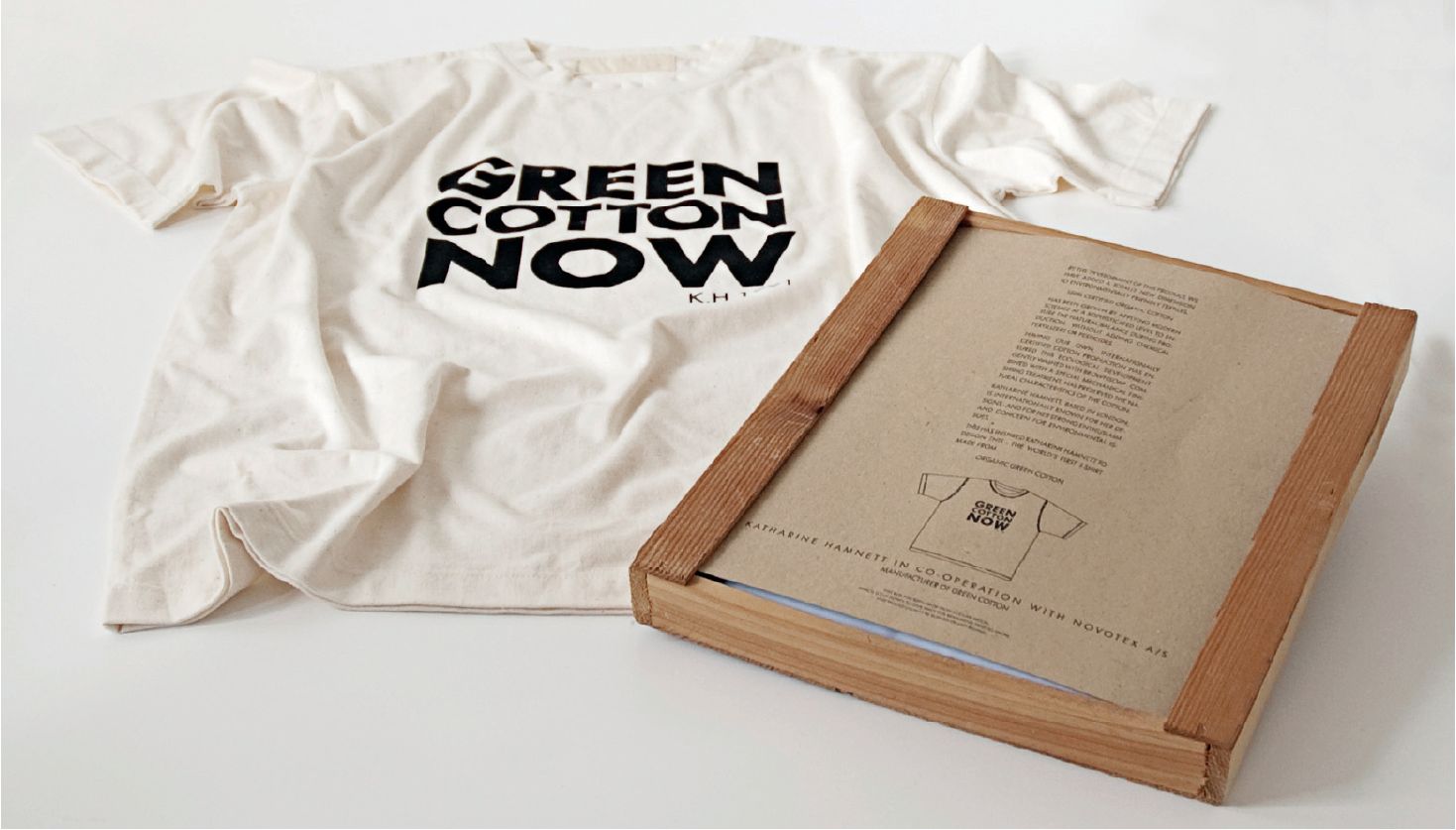
“Our company has always been built on documentation. We were among the first to carry out an LCA on a T-shirt back in the late 1980s, and we also helped lay the groundwork for the EU Ecolabel. So our decision to focus on data goes back more than 30 years.”
This long-standing focus on documentation and data puts Green Cotton Group in a different position from many other companies when it comes to managing future data requirements.
“We are a manufacturing company, and there aren’t many of those in Denmark. Many other companies have to obtain information from their suppliers, whereas we are positioned differently in the value chain. At the same time, we have supplier relationships that have been in place for more than 25 years. That gives us better opportunities to obtain the data we need.”
Sanne Nørgaard points to a particular challenge when it comes to data in the textile industry: Even products made from the same fabric are not necessarily identical when it comes to the data associated with them.
“You can use the same fabric for several different products. But a women’s blouse might have buttons and sewing thread, while a baby bodysuit made from the same fabric has snap fasteners. So each individual garment ends up with its own dataset,” Sanne Nørgaard explains.
This potentially creates large volumes of data that must both be managed internally and be able to follow products further along the value chain.
For Green Cotton Group, the next step is therefore not simply to have the information available, but to make it easy to pass it on to customers.
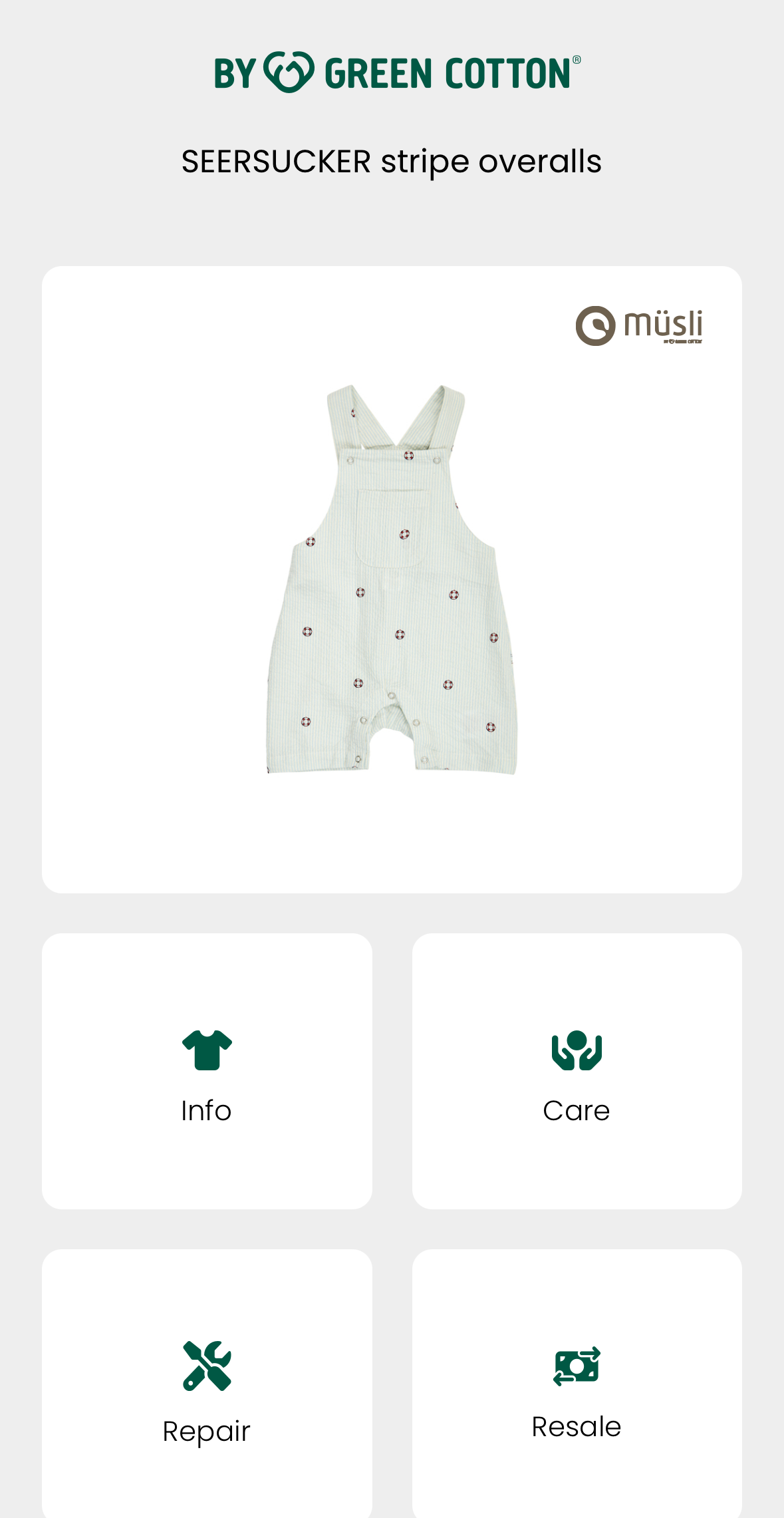
“Our focus now is on making it easy to pass data on. For example, data could accompany a sales order as XML or via an API. Today, data accounts for around 25 per cent of what we deliver to our customers.”
At the same time, the company finds that customers’ data requirements vary considerably.
“The requirements we face differ enormously from one customer to another. We will probably end up sending a standardised file with a high common denominator, and then customers can extract the information they need.”
According to Sanne Nørgaard, the sheer volume of data makes it essential that companies do not build their future data processes around manual handling.
“Data processes simply have to be automated. Danish wage levels make manual data entry too expensive,” says Sanne Nørgaard.
She therefore sees AI, among other technologies, as potentially playing a role in managing and transferring data in the future.
The Digital Product Passport is one of the upcoming European requirements that will increase the need for companies to be able to manage product data. Sanne Nørgaard welcomes the fact that the initial level of ambition has been set at a level that allows companies to get started.
“We want the Digital Product Passport. The level of ambition is low, but that is also where you have to start if you don’t want to put 50 per cent of EU companies out of business.”
The upcoming requirements are also one of the reasons why Green Cotton Group has chosen to remain a member of Tekstilretur, even though the company no longer owns its own brands.
“We have worked with Retur for many years, originally through Emballageretur in connection with our own brands. Today, we are a member of Tekstilretur because it gives us valuable insight into the development of extended producer responsibility for textiles and the upcoming requirements for the industry.”
For Sanne Nørgaard, it is particularly important that an overall understanding of the rules can be translated into the reality companies face in practice.
“Retur provides both knowledge about legislation and industry developments and practical advice on how the requirements can be managed in practice. That is very valuable to us.”
For Green Cotton Group, the direction is clear: Data will not be a separate task alongside the business. It must be an integral part of the business and be able to move through the value chain without requiring extensive manual work.