Millarco: Are we even covered by extended producer responsibility for textiles?
With almost 3,000 product numbers, Millarco has a broad range of products for the home, garden and DIY market. The company sells everything from tools, outdoor kitchens and garden hoses to nails and screws and outdoor toys.
In other words, textiles make up only a small part of the overall picture.
Even so, Cecilia Wright Berman, Head of Compliance & ESG at Millarco, began taking a closer look at the product range when extended producer responsibility for textiles came onto the agenda.
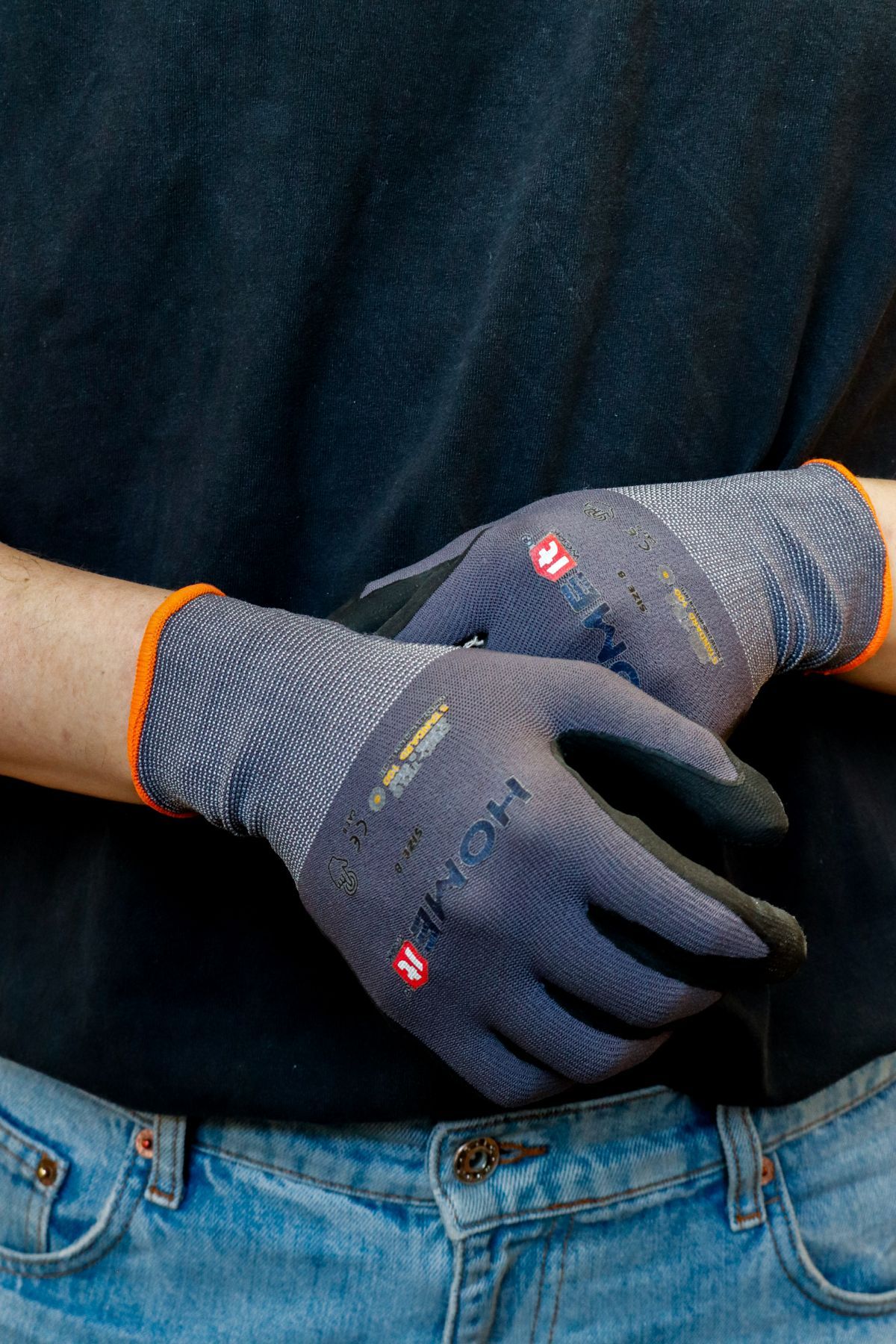
“We have products that feel like textiles - covers, barbecue gloves and so on - so I started looking into the definition of what actually constitutes a textile,” she says.
It quickly became clear that the question was not necessarily a simple one.
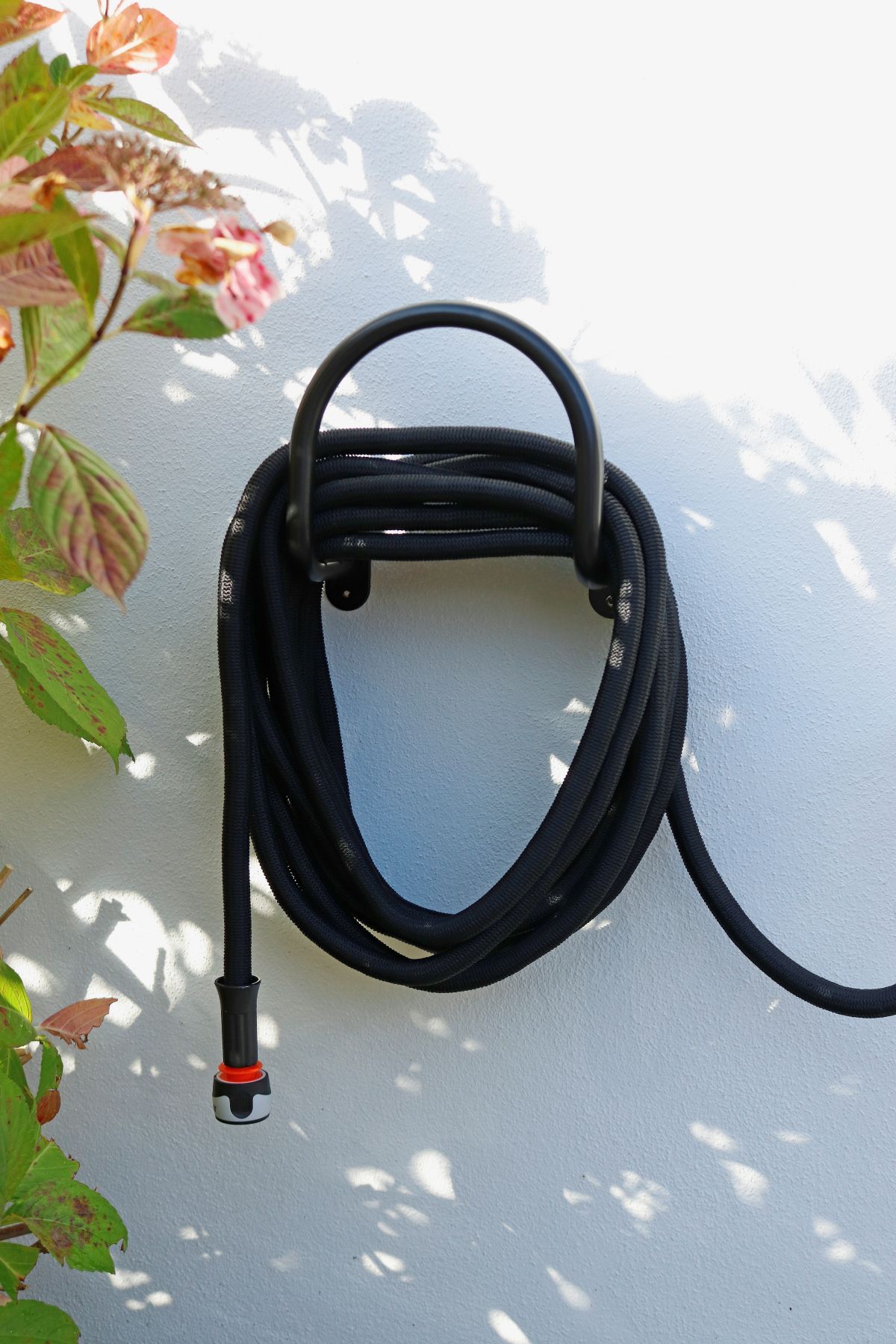
To get an overview, Cecilia Wright Berman had a list drawn up of the products she initially thought might contain textiles. She then headed out to the warehouse.
“I went out to see and touch the products that I thought might be textiles. Then I tried to compare them with the authorities’ definition.”
This raised even more questions.
“We define things like safety vests as safety equipment. But could they also be considered textiles? Curtains are defined as textiles subject to extended producer responsibility, but what about a furniture cover? We will also soon be getting some coconut fibre mats. Which rules apply to those?” asks Cecilia Wright Berman.
Extended producer responsibility for textiles and footwear is not expected to come into force until 2028, but Millarco has already started preparing. This is partly due to the company’s experience with extended producer responsibility for packaging.
“Having learned from the process with extended producer responsibility for packaging, I wanted us to be ahead of the curve.”
For Millarco, the need to start early is also linked to how far in advance the company plans its purchasing and sales.
“I would rather do the mapping well in advance. We already know what we have in the pipeline. Most companies buy a year ahead and enter into agreements in advance.”
For example, Millarco’s 2027 catalogue has already been prepared and the products have been sold. At the same time, it is not yet clear which of the company’s products will be covered or what extended producer responsibility might cost.
“It creates some frustration for the sales team. The 2027 catalogue has already been prepared and the products have been sold. But we don’t know whether they are going to become more expensive.”
The mapping exercise therefore does not provide Millarco with all the answers. But it does give the company a better idea of where it needs to pay attention.
“We don’t know yet what it is going to cost, and it is a little frustrating not to have a clear answer. But now I know which products could be subject to fees.”
Although not all the details have been clarified yet, Cecilia Wright Berman believes there are things companies can already start doing.
“Map the material composition, origin and weight.”
At Millarco, material composition can be mapped and recorded in the company’s system. And according to Cecilia Wright Berman, the need to know more about products extends beyond extended producer responsibility for textiles.
“We also have to deal with battery legislation and the Digital Product Passport. Looking at EU regulation more broadly, we generally need to know what our products are made of and where they come from.”
According to Cecilia Wright Berman, companies can draw on their experience with extended producer responsibility for packaging.
“Use extended producer responsibility for packaging as your starting point and go through the same exercise for this producer responsibility scheme - then you will be prepared. It is also about structuring and organising your data. There is other legislation relating to textiles as well, so you need to have this information under control in any case,” says Cecilia Wright Berman.
But the work does not have to start behind a computer screen. Cecilia Wright Berman’s advice to other companies with a broad product range is therefore also very practical:
“Go out and touch the products. You might be surprised by what feels like a textile. And it never hurts to know more about your products.”