Sodium-ion batteries are gaining ground but could pose challenges for recycling
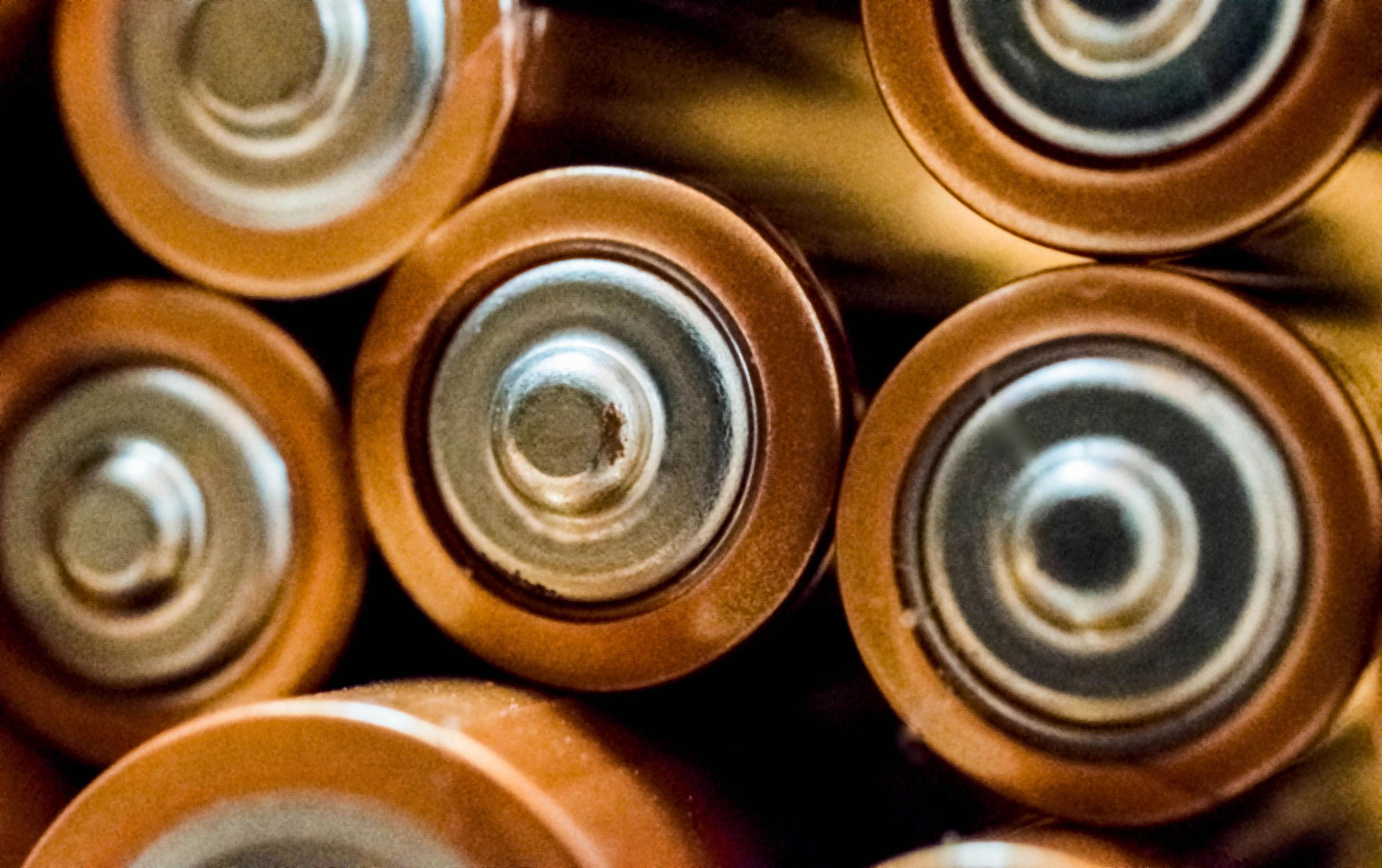
Lithium-ion batteries currently dominate the market for electric vehicles and energy storage. However, another battery technology is attracting increasing attention: sodium-ion batteries.
Sodium-ion batteries operate on many of the same principles as lithium-ion batteries but use sodium instead of lithium. Sodium is a much more abundant element, meaning the technology could help reduce dependence on some of the raw materials currently essential to battery production.
However, the technology is still at an early stage. According to the International Energy Agency (IEA), global production of sodium-ion batteries accounted for less than one percent of lithium-ion battery production in 2025.
Nevertheless, several of the world's largest battery manufacturers are investing in the technology.
Chinese battery manufacturer CATL has unveiled its second generation of sodium-ion batteries. In collaboration with car manufacturer Changan, the company has also presented one of the world's first mass-production vehicle models equipped with a sodium-ion battery, which was scheduled to enter the Chinese market in 2026. Competitor BYD is also working to scale up production.
In the longer term, these developments could affect how end-of-life batteries need to be handled.
Eva Sass Lauritsen, Subject Matter Expert at Batteriretur, points out that the emergence of more battery chemistries also places new demands on recycling:
“It is interesting to see sodium-ion batteries moving from development into actual products. It shows just how quickly the battery market is evolving. For us, it means we need to be prepared to handle a wider range of battery chemistries in the future,” she says.
One of the advantages of sodium-ion technology is its performance at low temperatures.
According to the IEA, the latest sodium-ion batteries can retain around 90 percent of their nominal capacity at temperatures as low as minus 40 degrees Celsius.
On the other hand, the technology generally has a lower energy density than lithium-ion batteries. This means that the batteries can typically store less energy relative to their weight.
Sodium-ion batteries could therefore be particularly relevant for stationary energy storage, vehicles operating in cold climates, and applications where cost is more important than maximum driving range. They could also be well suited to large-scale battery energy storage systems (BESS) and industrial battery applications.
While the technology offers new opportunities for battery manufacturers, it also raises questions about how the batteries should be recycled at the end of their useful life.
One of the biggest challenges is economic.
Lithium-ion battery recycling currently relies, in part, on recovering valuable materials such as nickel, cobalt and lithium. By contrast, several sodium-ion battery chemistries do not contain these metals or use different, less expensive raw materials.
This could make recycling less economically viable, as the revenue generated from recovered materials may not necessarily cover processing costs.
Although sodium-ion batteries are often highlighted as an alternative to lithium-ion batteries because they do not contain lithium, cobalt and often nickel, they may still contain raw materials such as aluminium and manganese. Sodium-ion batteries also come in different chemical compositions, meaning they cannot necessarily all be recycled using the same methods.
“When batteries contain fewer valuable raw materials, it can become more difficult to make recycling economically viable. But that does not make recycling any less important. On the contrary, we need to ensure that these new battery types are also collected and treated correctly,” says Eva Sass Lauritsen.
There may therefore be a need for more efficient recycling processes that use less energy and fewer chemicals.
“One possible solution is to recycle battery materials directly, preserving parts of their existing structure rather than breaking them down completely. This could potentially reduce both resource consumption and costs, but the methods still require further development. There is also, of course, the possibility of extending battery lifetimes and repurposing batteries for other applications, such as using electric vehicle batteries for stationary energy storage,” says Eva Sass Lauritsen.
Sodium-ion batteries are not expected to replace lithium-ion batteries overnight. Instead, developments point towards a market in which several battery chemistries coexist.
This means that future collection and recycling systems will need to handle batteries with different material compositions and treatment requirements.
At the same time, it is becoming increasingly important to consider recyclability from the earliest stages of battery development.
“We should not wait until batteries reach the end of their useful life before thinking about recycling. It is important that manufacturers consider how new batteries can eventually be dismantled and recycled already during the development process. This can make a significant difference to how many resources we are able to recover,” says Eva Sass Lauritsen.
Although new battery technologies may reduce the need for certain critical raw materials, this does not change the importance of ensuring that batteries are collected and recycled when they reach the end of their useful life.