Norway misses PPWR deadline: Danish importers may face additional responsibilities
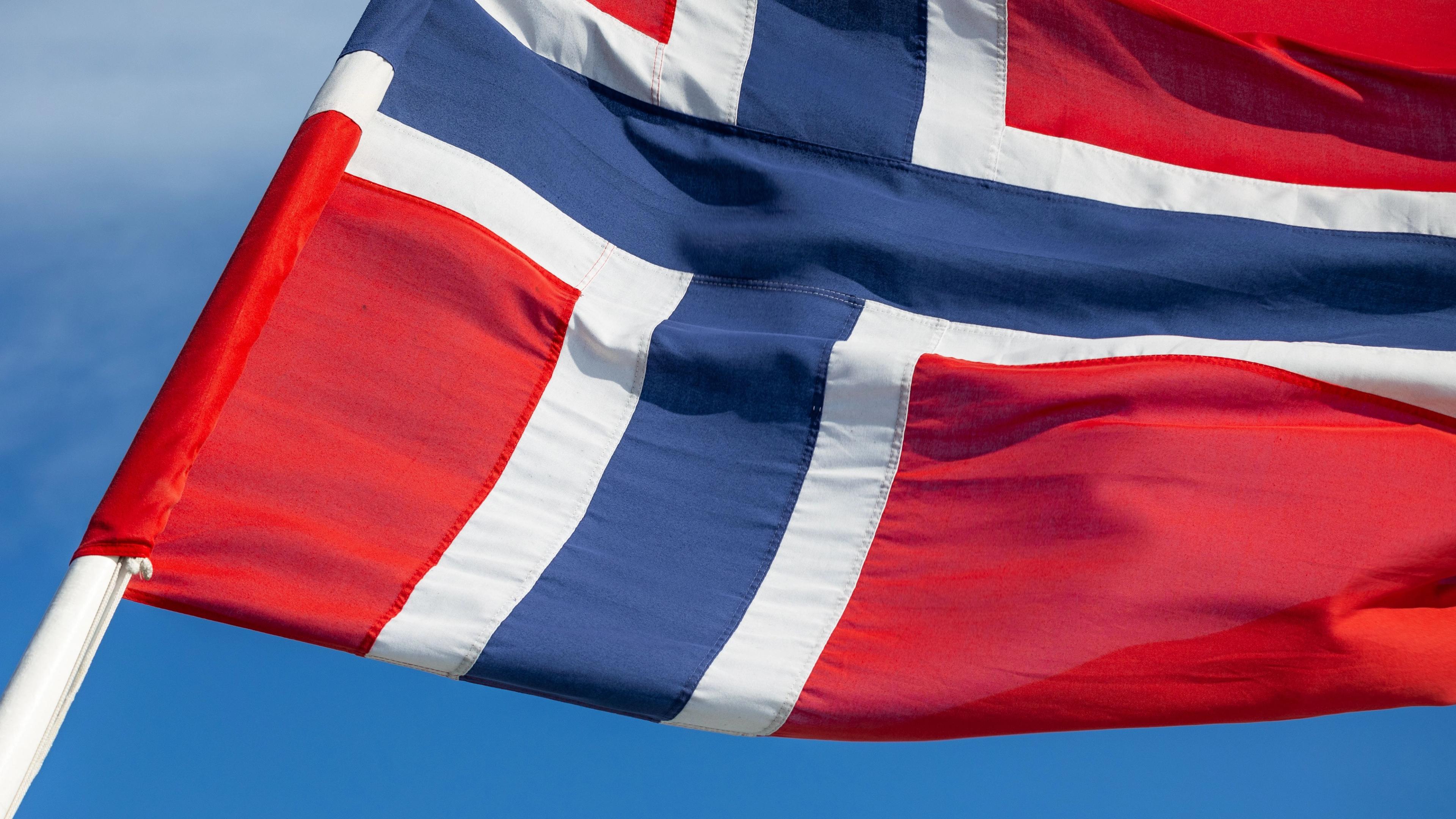
Norway is part of the European Economic Area (EEA), but the EU's new Packaging and Packaging Waste Regulation, PPWR, has not yet been implemented into Norwegian legislation.
According to information provided by the Norwegian authorities to the Danish Environmental Protection Agency, Norway will therefore not have the rules in place when the regulation begins to apply in the EU.
This means that, in the context of PPWR, Norway will temporarily be treated as a third country.
For Danish companies, this may mean, among other things, that they will be considered importers under PPWR when bringing packaging or packaged products from Norway onto the EU market.
Normally, a company purchasing goods from a supplier within the EU internal market would not have the same importer obligations as when trading with a third country.
The situation is different if Norway has not yet implemented the PPWR rules.
This means that Danish companies should not only consider whether their Norwegian supplier complies with the relevant requirements. They must also ensure that the documentation required to place the products on the EU market is actually available.
The Commission's clarification of the importer role means, among other things, that the company must ensure that the manufacturer in the third country has carried out the required conformity assessment under Article 38 and drawn up the EU declaration of conformity.
In addition, the manufacturer must have complied with the relevant requirements in Article 15, paragraphs 5 and 6, and the packaging must be accompanied by the necessary documentation and information.
In practice, the temporary situation may therefore change the division of responsibilities between Norwegian suppliers and Danish customers.
The Danish company cannot necessarily simply rely on the manufacturer to assume responsibility. As an importer, the company itself has a role in checking whether the requirements have been met and whether the necessary documentation is available.
This may have implications for purchasing departments, quality functions and employees working with environmental and product compliance.
For companies with many Norwegian suppliers, it may also become necessary to ensure that documentation is in place across several products and supply chains.
The upcoming situation makes it relevant for Danish companies to carry out an additional review of their agreements with Norwegian suppliers.
Among other things, it should be clarified who is responsible for providing the necessary documentation, how the documentation is checked and what happens if the requirements are not met.
It may also be relevant to engage in dialogue with Norwegian suppliers already now. The clearer the requirements are agreed in advance, the easier it will be for the Danish company to manage its responsibilities as an importer.
The fact that Norway has not yet implemented PPWR does not mean that Norwegian companies will permanently be treated as companies from third countries. This is a consequence of the fact that the EU rules have not yet been incorporated into the EEA Agreement and implemented into Norwegian legislation.
Until this happens, however, Danish companies must comply with the rules applicable to imports from a third country.
For companies trading with Norway, this is therefore more than just a legal detail. It can have very practical consequences for which documents they need to obtain, which checks they need to carry out and how responsibility is divided between themselves and their suppliers.
Companies with Norwegian suppliers should therefore ensure that they are ready for 12 August and that they have both the documentation and the practical handling of the temporary importer responsibilities under control.