Producer Responsibility Day 2026: Circular Economy or Circular Illusion?
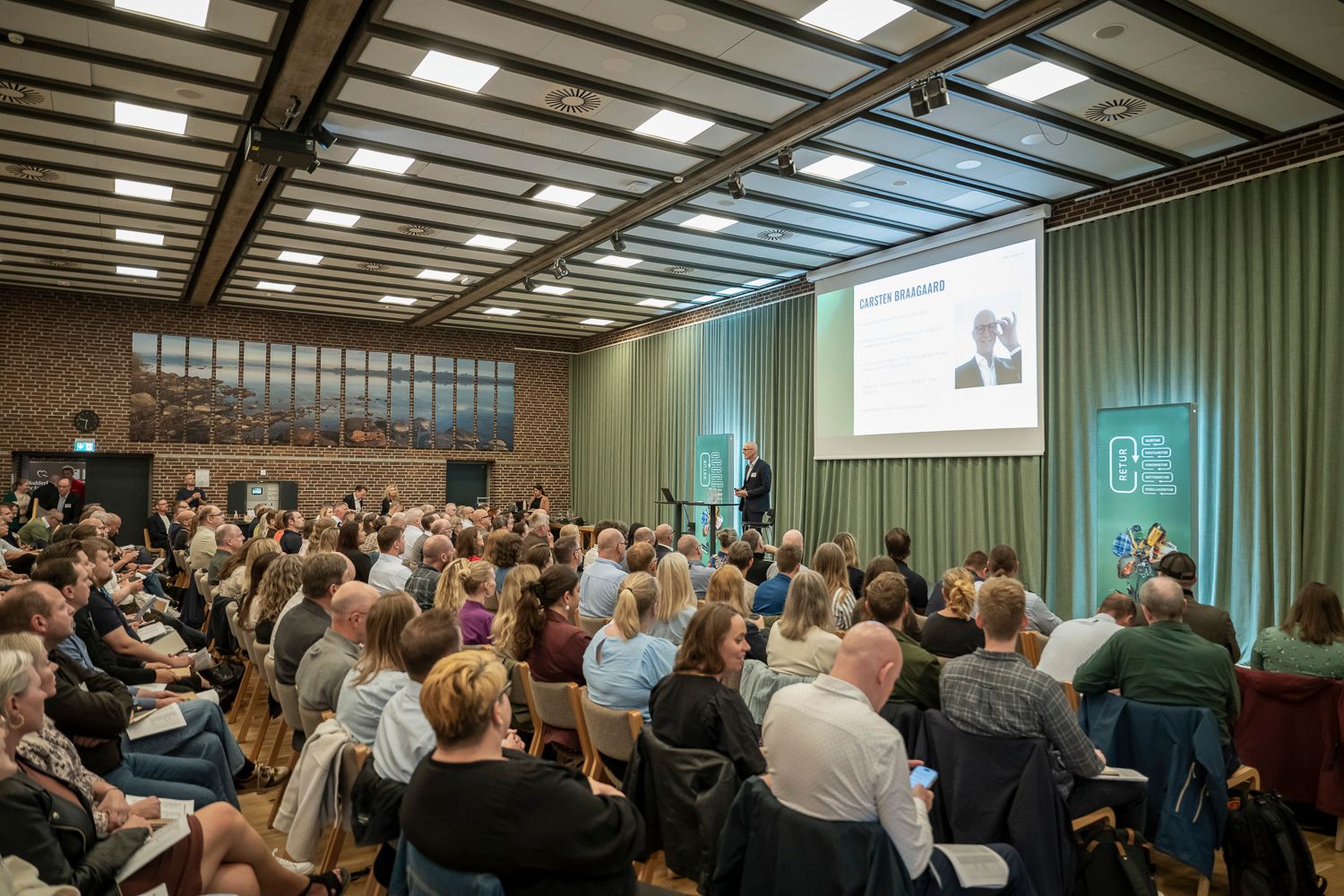
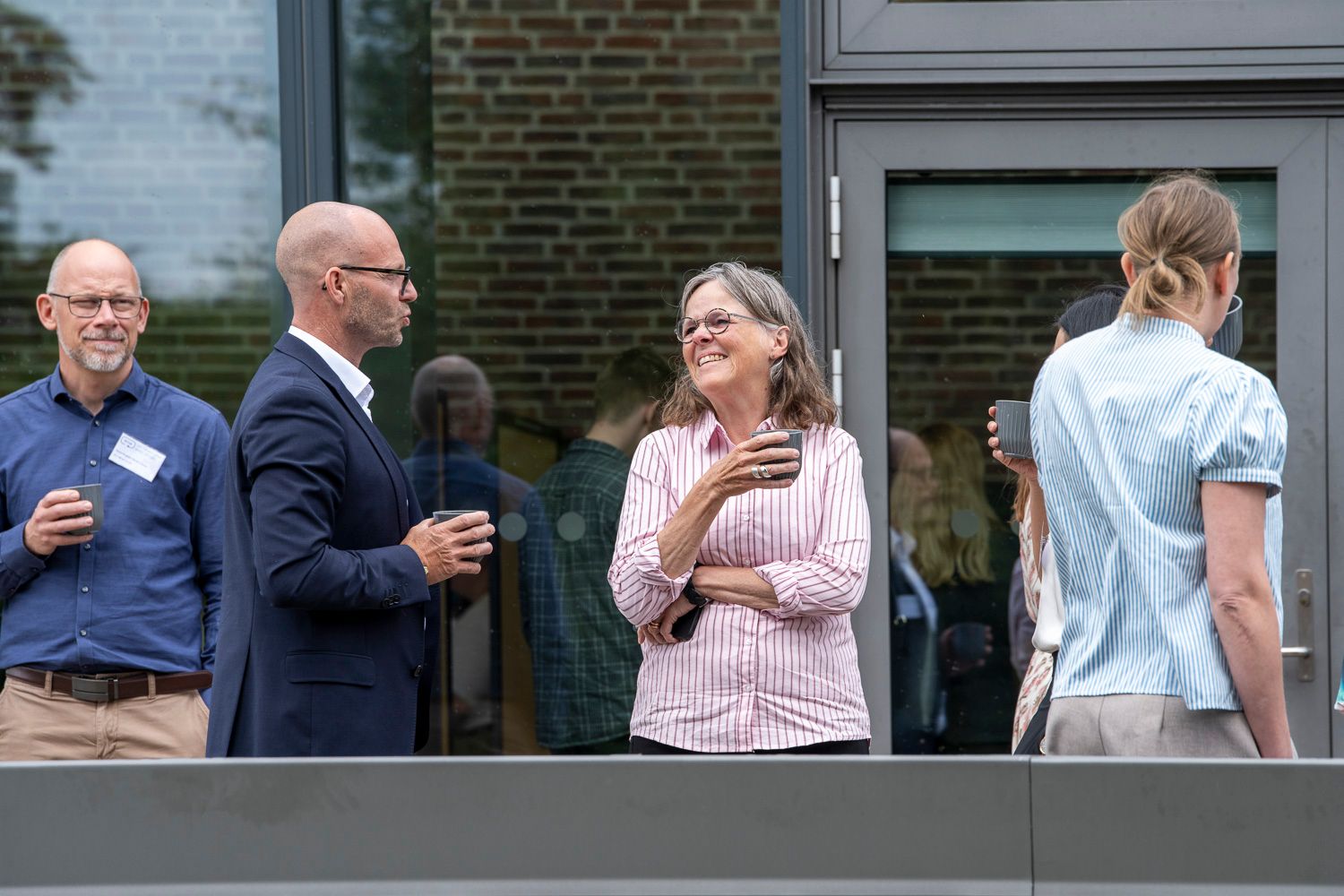
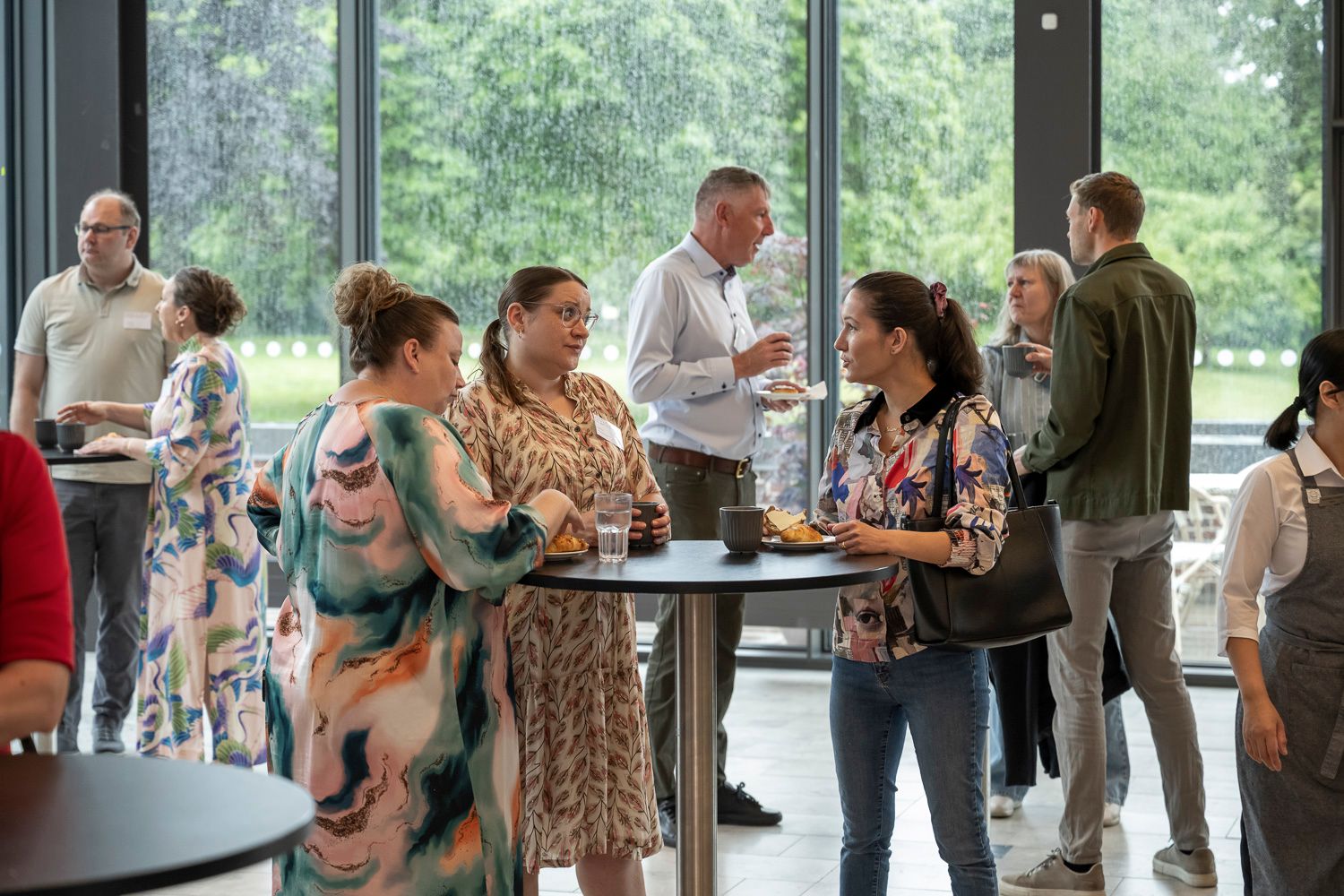
A record number of members from across the Retur family - Elretur, Batteriretur, Emballageretur, Fiskeriretur and Tekstilretur - came together for a day that moved from the organisation's own results and direction to the broader lines of European resource policy and their implications for companies in Denmark.
The shared question running through the day was what producer responsibility can and should deliver in a world where supply security and geopolitics are setting new terms for the green transition.
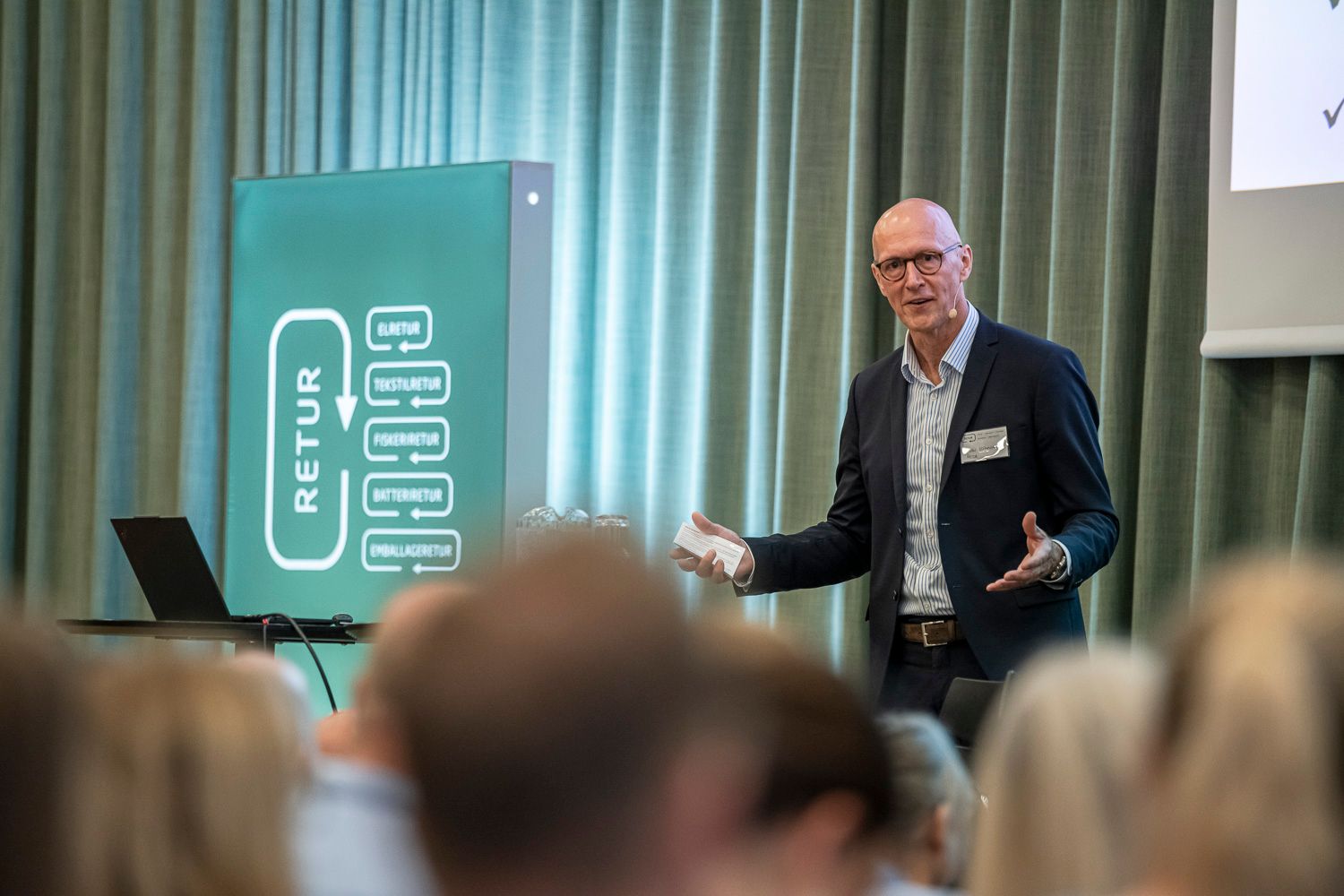
Retur's chairman of the board, Carsten Braagaard, and managing director, Morten Harboe-Jepsen, opened the day by framing producer responsibility in a new context from two angles.
Retur has grown, added new organisations and strengthened its position in the Nordic region and Europe. But growth is not an end in itself — it must be seen in the context of what is happening outside Denmark.
Trade agreements are breaking down, supply chains are fracturing, and access to the materials that Danish businesses depend on is no longer the given it was just a few years ago.
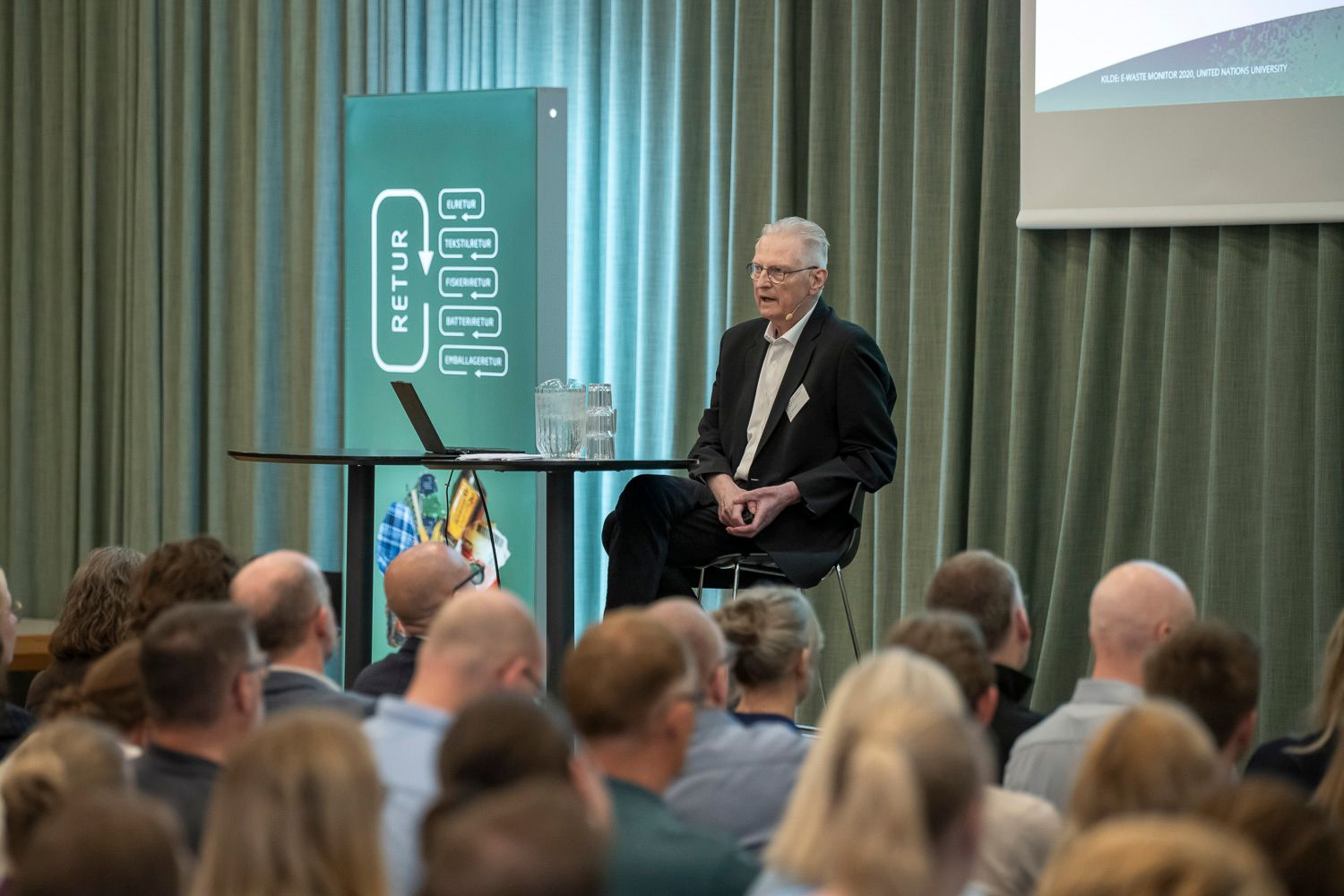
That is the reality in which producer responsibility plays a new role.
Unlike other countries and regions, the EU does not have the same opportunities to extract virgin materials. What it does have is an abundance of existing resources locked in waste.
Producer responsibility helps ensure a documented and circular handling of waste - and that is precisely why it is one of the only, and most effective, tools the EU has at its disposal to keep resources and materials in circulation and build the treatment capacity the continent lacks.
That was the premise for the rest of the day.
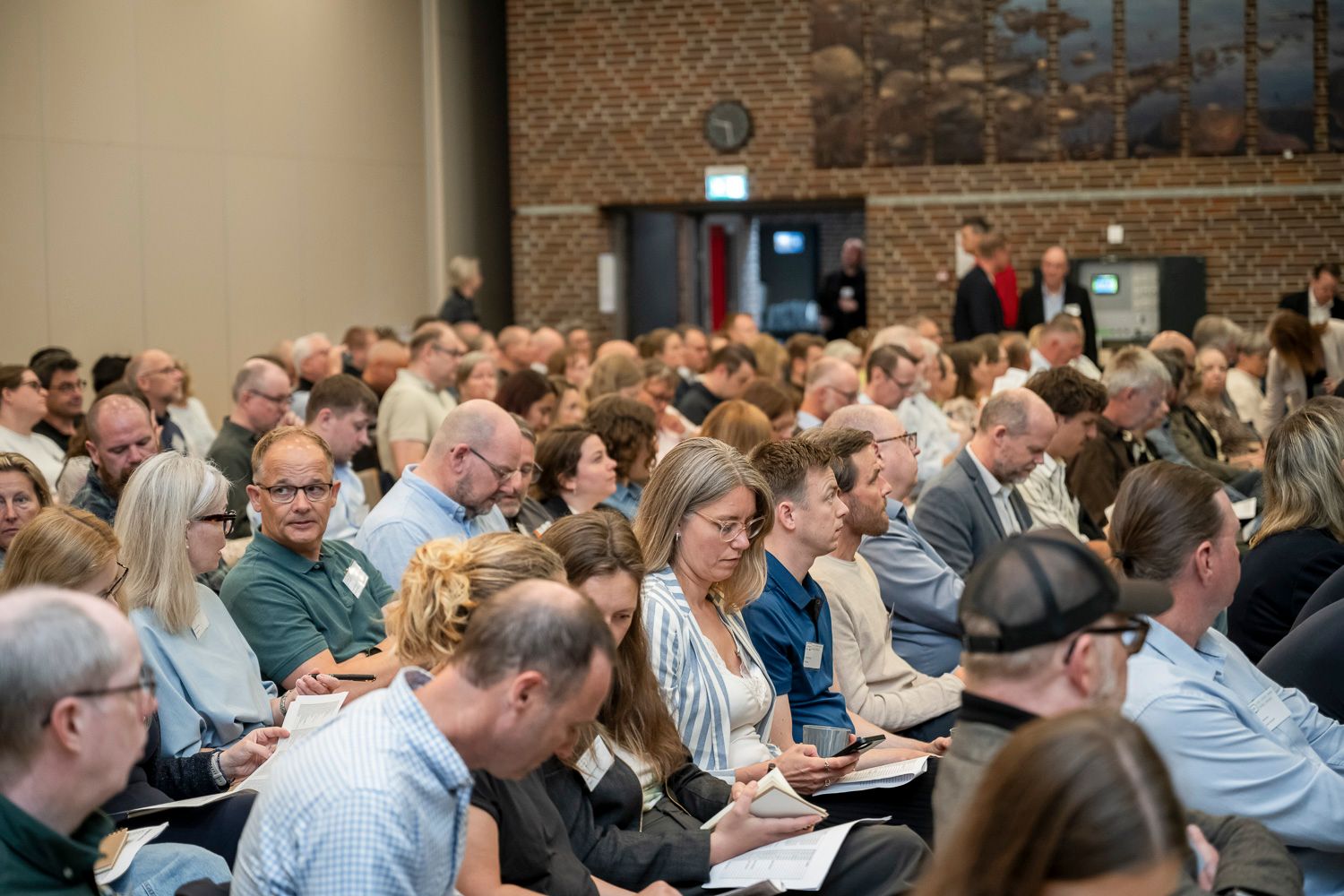
The morning's two plenary sessions gave both an update on the Retur family's development and a broader perspective on the role of producer responsibility -historically and looking ahead.
Challenges around implementation were addressed, particularly for packaging as the most recently introduced producer responsibility obligation. But the sessions also reframed producer responsibility: not merely as a compliance requirement, but as a tool that companies can use actively to secure their continued competitiveness in a changing world.
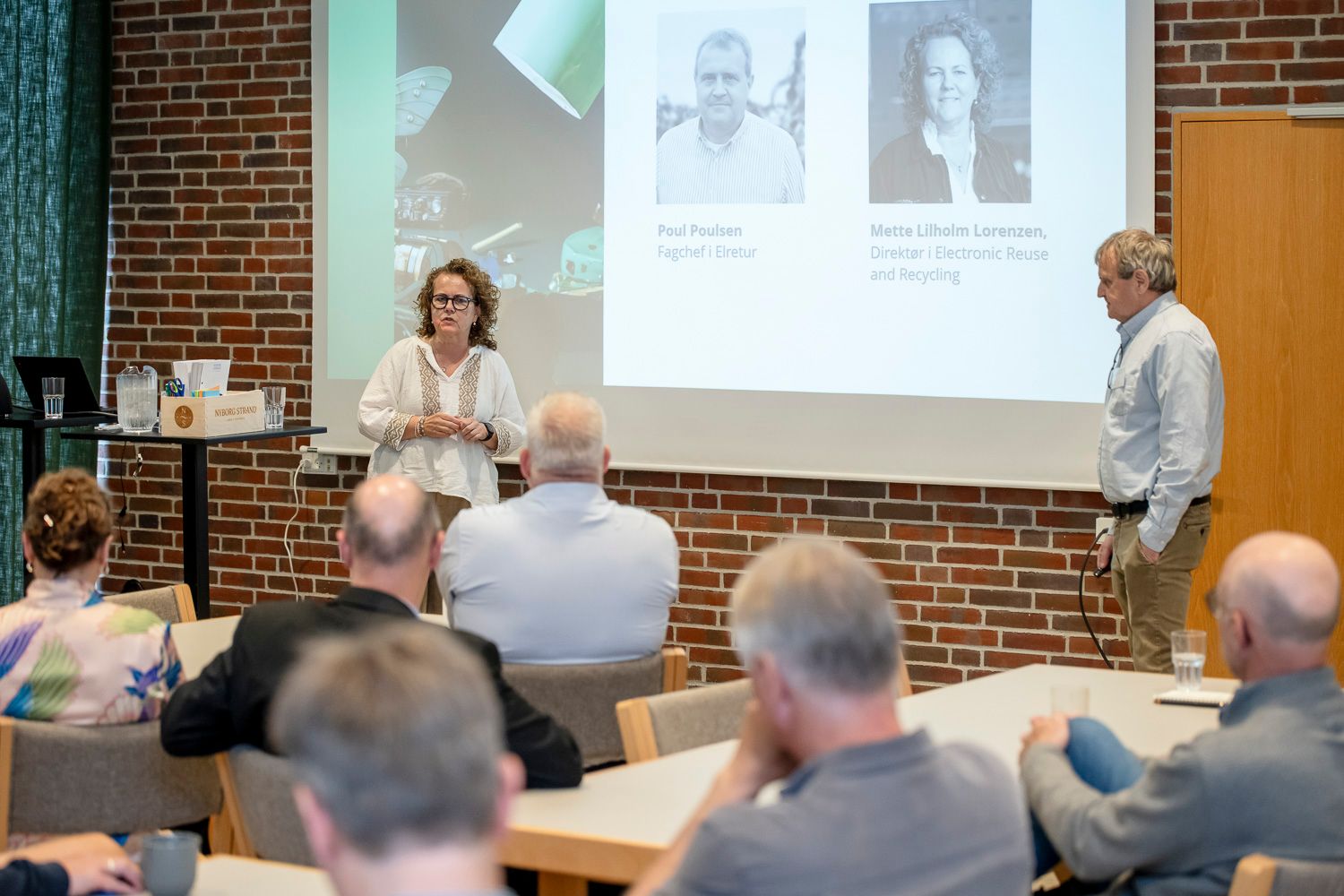
Participants then split into six sessions, each approaching producer responsibility from a different angle.
In Elretur's session, head of department Poul Poulsen and Mette Lilholm Lorenzen, director of Elretur's recycling facility Electronic Reuse and Recycling, presented Denmark's first electronics reuse facility, where 25 per cent of the 13,500 tonnes of electronic waste handled annually has reuse potential - a concrete illustration of what is possible when the system works, and an alternative to the mines Europe does not have.
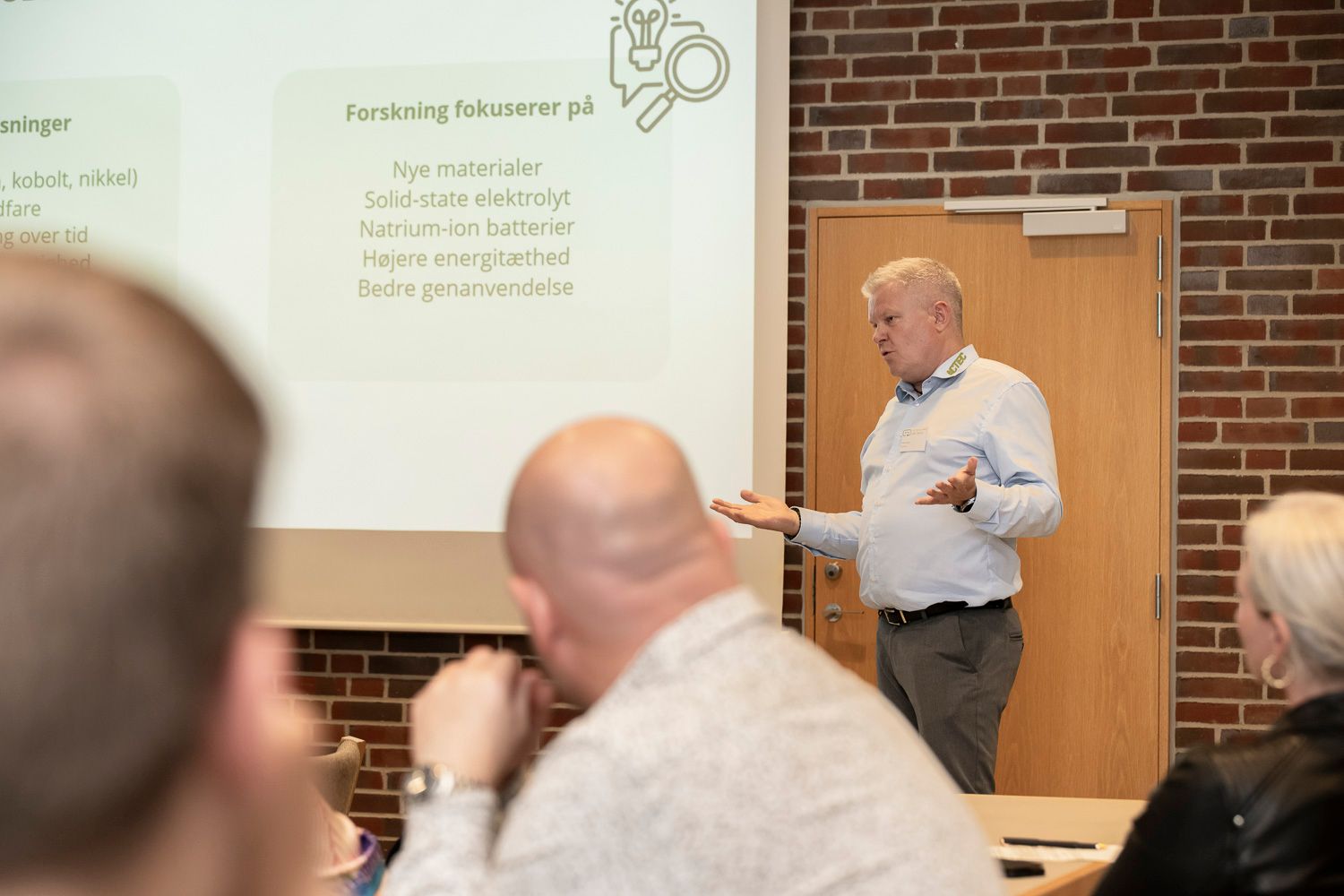
In Batteriretur's session, Poul Poulsen joined ACTEC managing director Christian Nyborg to explore the consequences of society's growing electrification for batteries - in terms of demand, weight and volume. Christian Nyborg predicted that batteries will be worth more than oil within a few years.
In Tekstilretur's session, head of department Camilla Jonassen invited members to help shape the new organisation from the outset, while also offering insight into the political work currently under way around the design of the new producer responsibility legislation for textiles and footwear.
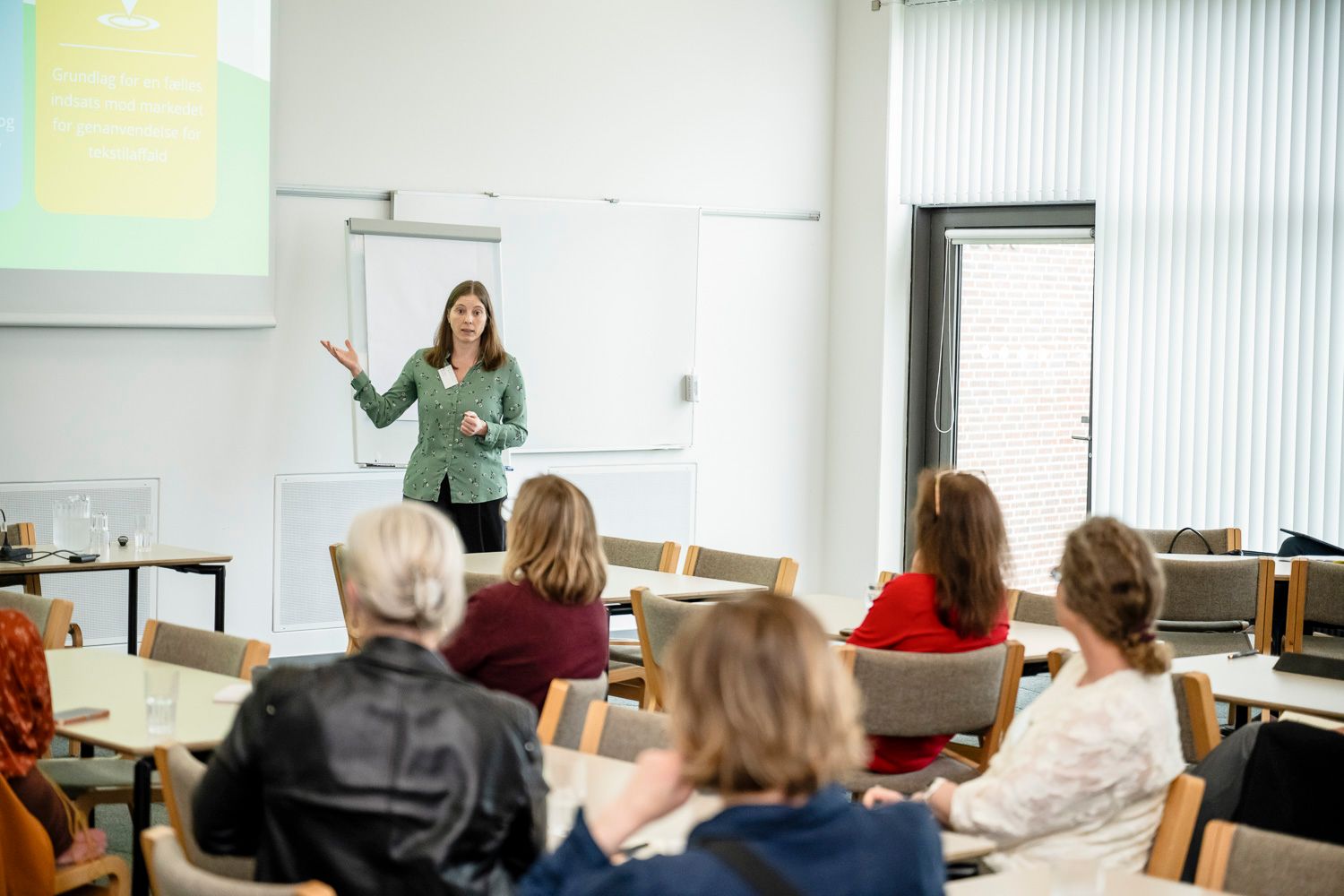
In Emballageretur's session, head of department Rikke Halkjær Kristensen presented the most significant new requirements awaiting members when PPWR comes into force.
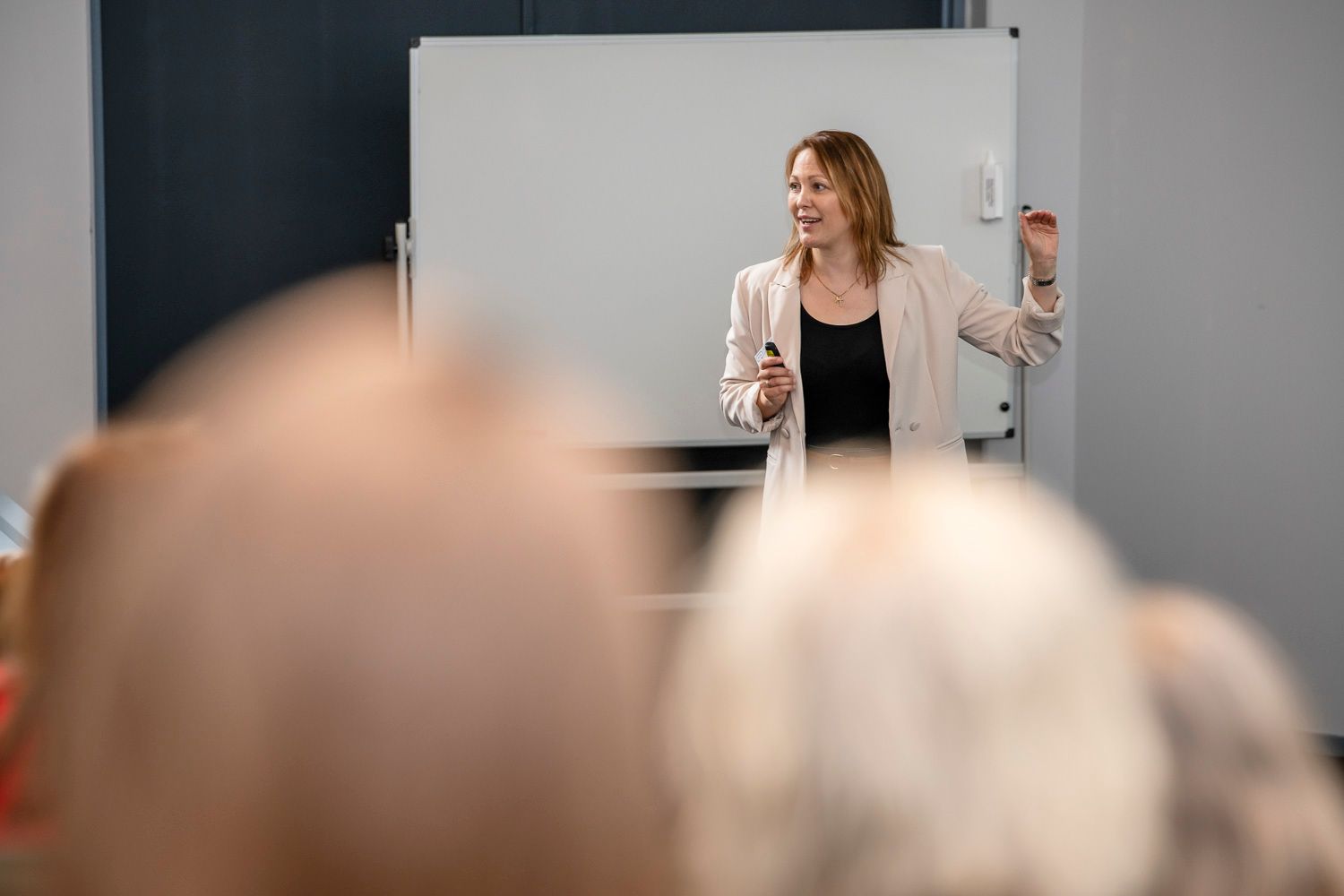
Lars Galvit, Head of Technical Procurement & CSR, shared how Scanseason has approached PPWR strategically rather than defensively - using the regulatory requirements as an opportunity to rethink parts of its business model.
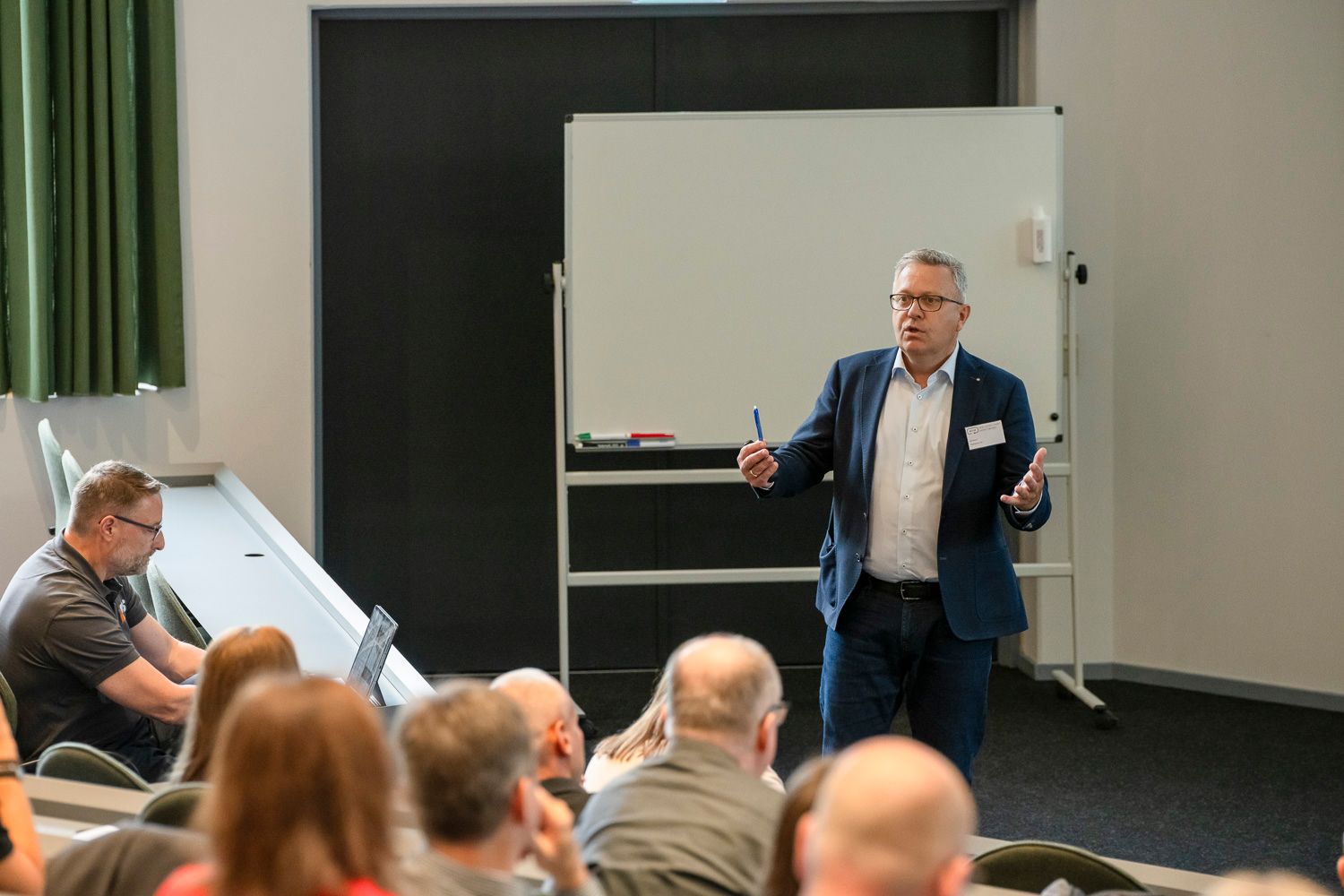
Two sessions cut across the organisations. In one, Jesper Bøttcher, Head of Sustainability and Communications, focused on what producer responsibility actually does - both for the environment and for companies' own sustainability communications.
He explained how Retur ensures that collected products and materials reach the right destinations, and how companies can use Retur's data actively in documentation and ESG reporting.
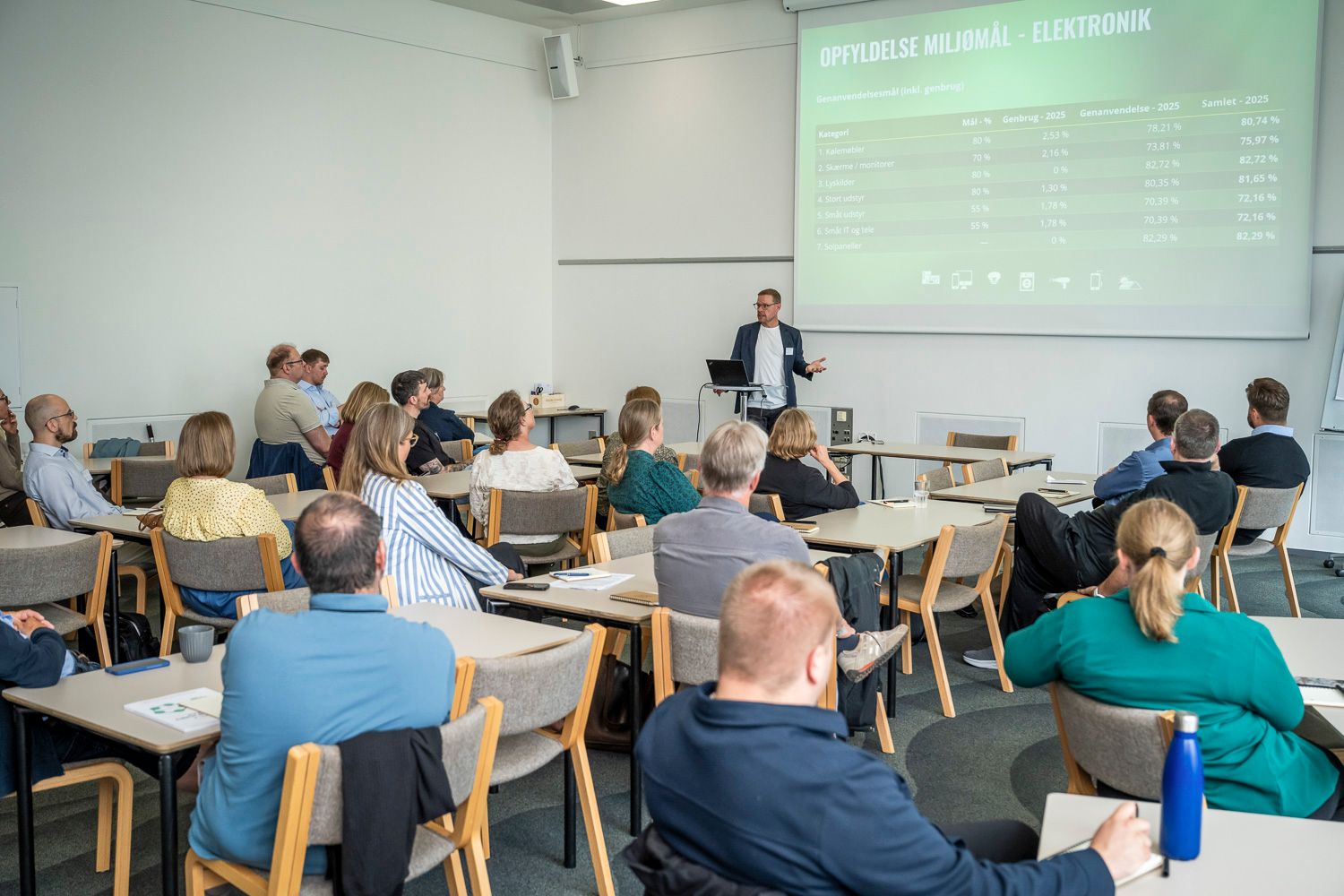
In the other, Jacob Grewe Bentzen, KAM & Relations Manager, turned attention to companies operating across borders. Nordic PRO Solution brings together Retur and the leading producer responsibility organisations in Norway, Sweden and Finland in a single setup. Pronexa does the same at European level. The session gave participants the opportunity to share their challenges and contribute to shaping Retur's international collaborations going forward.
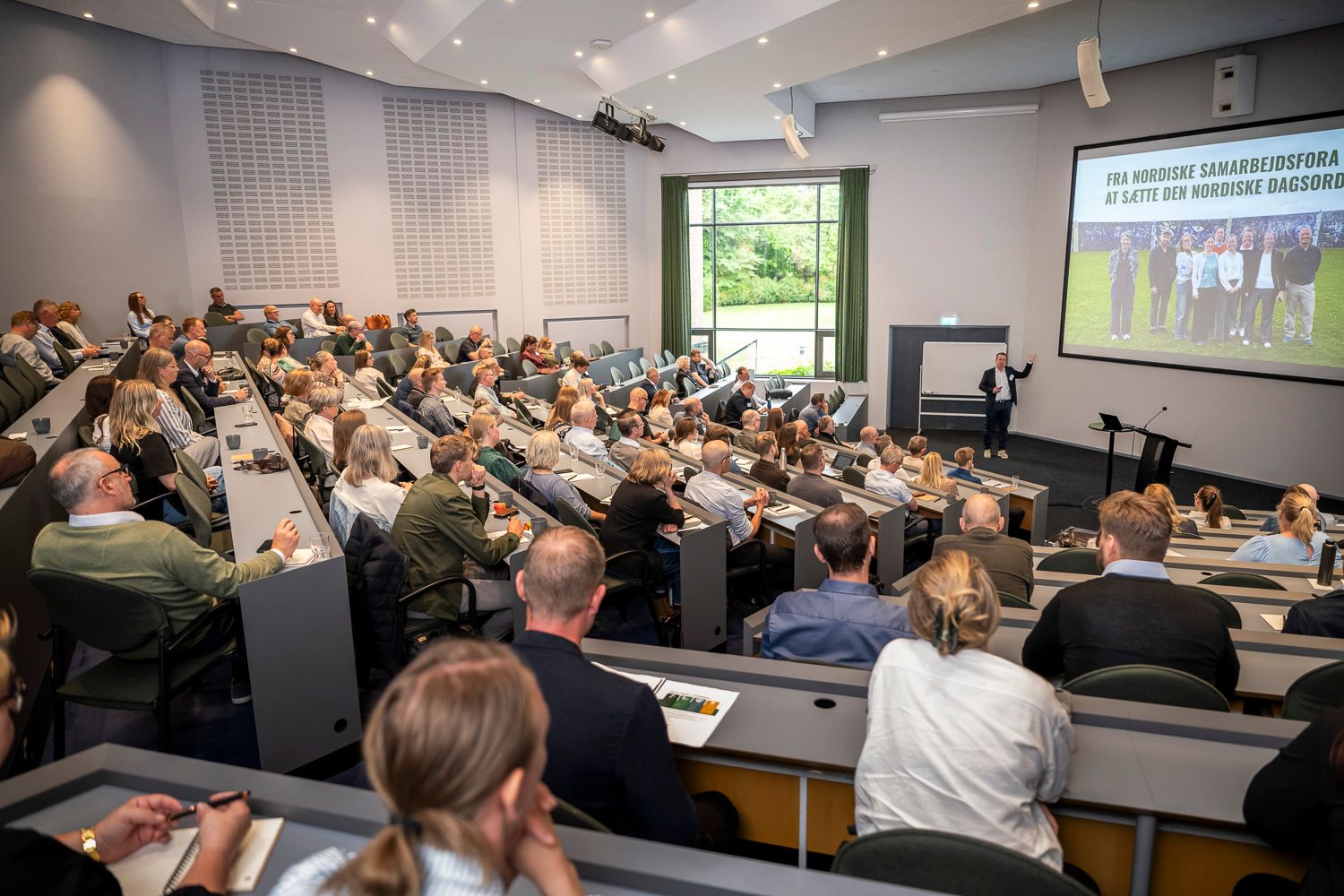
In the afternoon, all participants reconvened. Bjørn Bauer, director of Norion and EU expert, opened with a presentation on the most pressing strategic questions currently occupying the EU.
The question of whether the EU's ambitions for self-sufficiency are realistic, given that the infrastructure is not yet in place, carried directly into the day's final session: the debate, Circular Economy or Circular Illusion - Where Is Europe Headed?
Political commentator and host of the DR1 programme Guld og grønne skove, Lars Trier Mogensen, moderated the discussion.
His panel comprised Christina Boutrup, journalist and China expert, Flemming Horn Nielsen, managing director of ReSource Denmark, Marianne Ladekarl Thygesen, Head of Environmental Policy at HJHansen Recycling, and Morten Harboe-Jepsen, managing director of Retur.
The panel agreed on the scale of the problem - but not on the solution.
Christina Boutrup pointed to the structural issue: China has complete value chains from raw material to finished product. Europe does not, and building them is difficult as long as the continent neither dares to let China in nor can manage without it.
Flemming Horn Nielsen was blunt: we produce recycled plastic but do not buy it. Demand is missing, and it will not materialise on its own.
Marianne Ladekarl Thygesen raised what often goes unsaid: the biggest blind spot is consumption. We cannot keep sending waste away and calling it a circular economy.
Morten Harboe-Jepsen emphasised from his place in the panel that producer responsibility cannot carry the burden alone. Demand must exist on the other side - among buyers, producers and policymakers - if materials are to genuinely return to circulation.
Thank you to everyone who joined us for Retur's Annual Meeting 2026: Producer Responsibility Day. We look forward to seeing you again next year.