1. Home
  2. batteriretur
  3. Which batteries are covered by EPR?

Which batteries are covered by EPR?

EPR applies to both standalone batteries and batteries contained in products. The category determines which requirements apply.

The five battery categories are key to the rest of the task

Extended Producer Responsibility covers all batteries placed on the Danish market and divides them into five statutory categories: portable batteries, LMT batteries (light means of transport), industrial batteries, SLI batteries and electric vehicle batteries. For portable batteries and LMT batteries, membership of a Producer Responsibility Organisation is mandatory.

When working with EPR for batteries, the category is central. It affects registration, reporting, environmental fees and whether affiliation with a PRO is mandatory.The EU Battery Regulation divides batteries into five categories. The descriptions below are simplified. The precise definitions are found in Article 3 of the Battery Regulation.

The five battery categories
Portable batteries

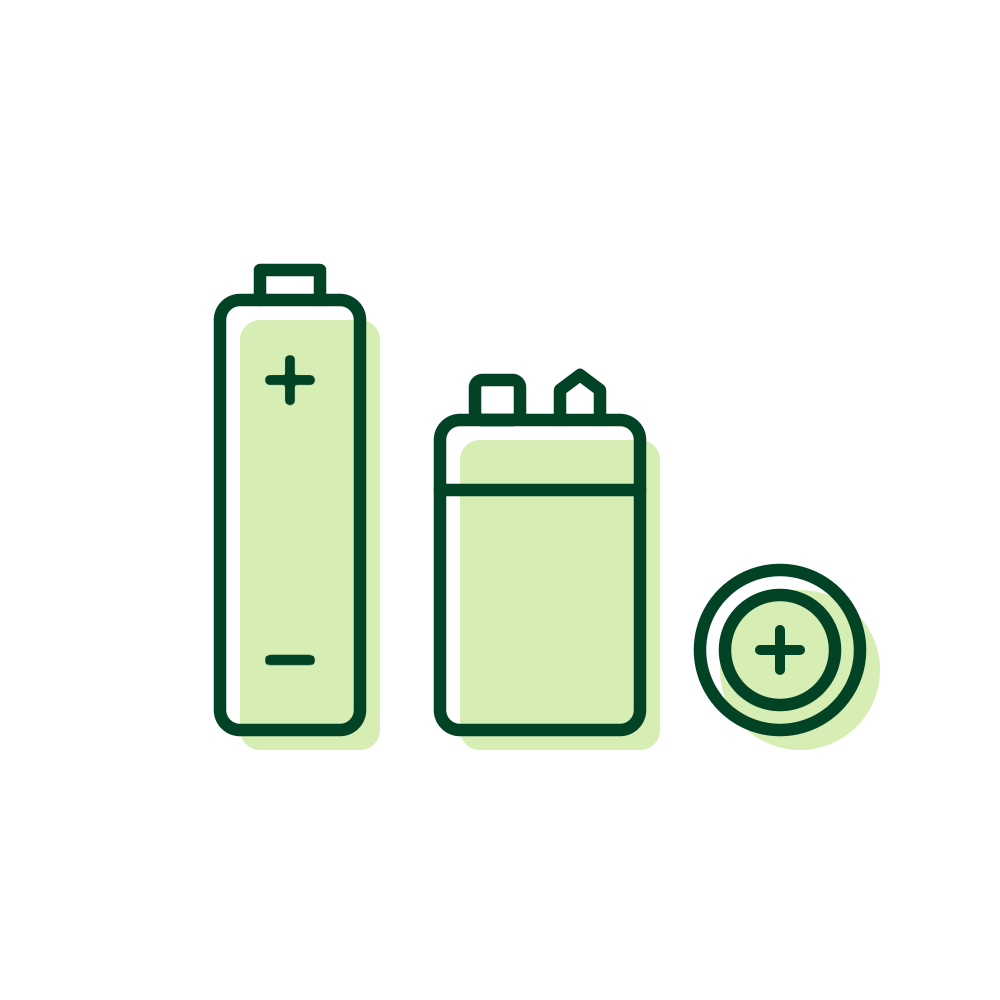
Batteries weighing less than 5 kg and not classified as industrial batteries. They are found, for example, in electronics, toys, remote controls and smaller products. Membership of a PRO is mandatory.

Batteries for light means of transport (LMT batteries)

Batteries that provide traction for e-bikes, e-scooters and similar light means of transport. Membership of a PRO is mandatory.

Industrial batteries

Batteries specifically designed for industrial purposes, or batteries that do not fall into the other categories. This is a broad category and may require a specific assessment.

Starting, lighting and ignition batteries (SLI batteries)

Batteries used for starting, lighting and ignition in vehicles with combustion engines.
Electric vehicle batteries (EV batteries)

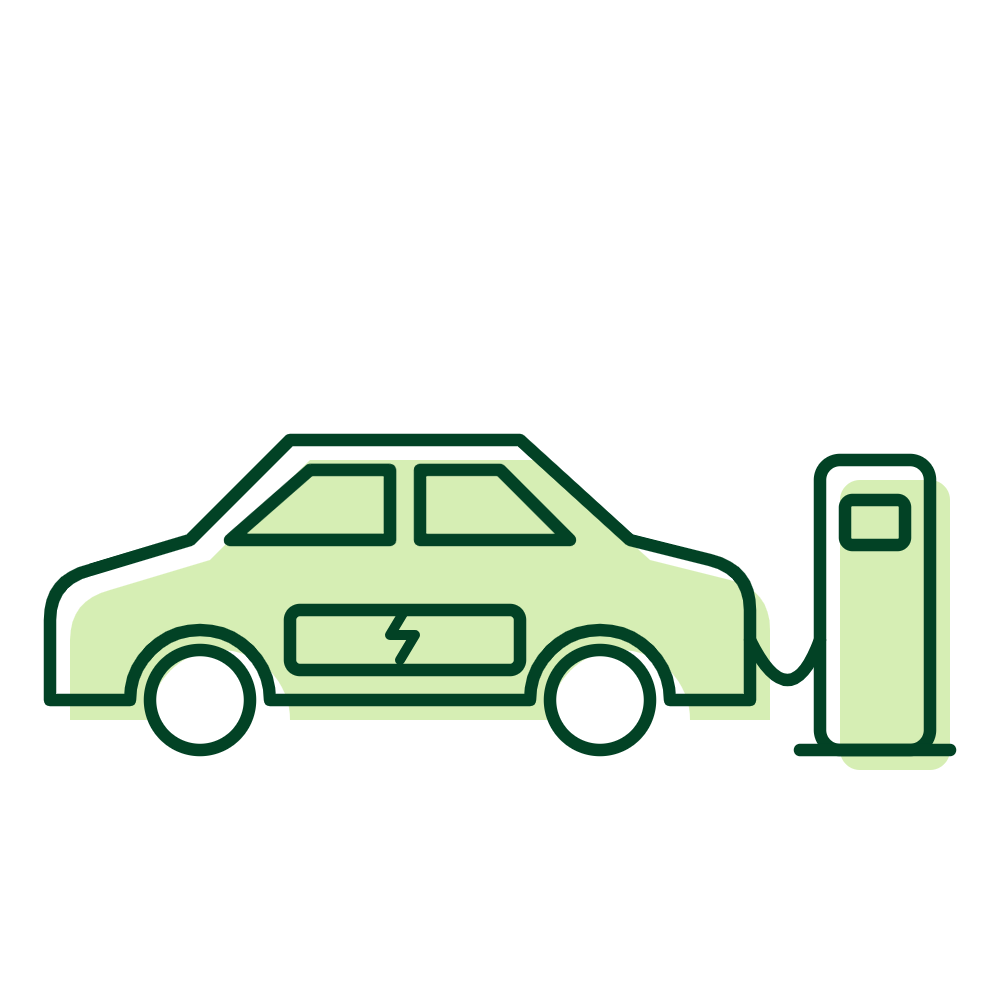
Batteries that provide traction for hybrid and electric cars and other electric vehicles.

Enkelt grønt batteri set forfra mod lys baggrund

Category, chemistry and weight must be connected

Knowing the battery category is not enough. When reporting, you must also know the battery chemistry and weight in kilograms.

Battery chemistry may, for example, be lithium, lead-acid, nickel-cadmium, nickel-metal hydride, alkaline or zinc-carbon.

The environmental fee may also be affected by category, chemistry and eco-modulation. It is therefore important that your data can be linked to the specific battery - even when the battery is incorporated into a product.

Batteries in products are also covered

If you place a product on the market that contains a battery, the battery must still be assessed and reported separately.

This also applies if the battery is built in, permanently installed or not sold separately.

The battery weight must be calculated without packaging and without the product's other components.

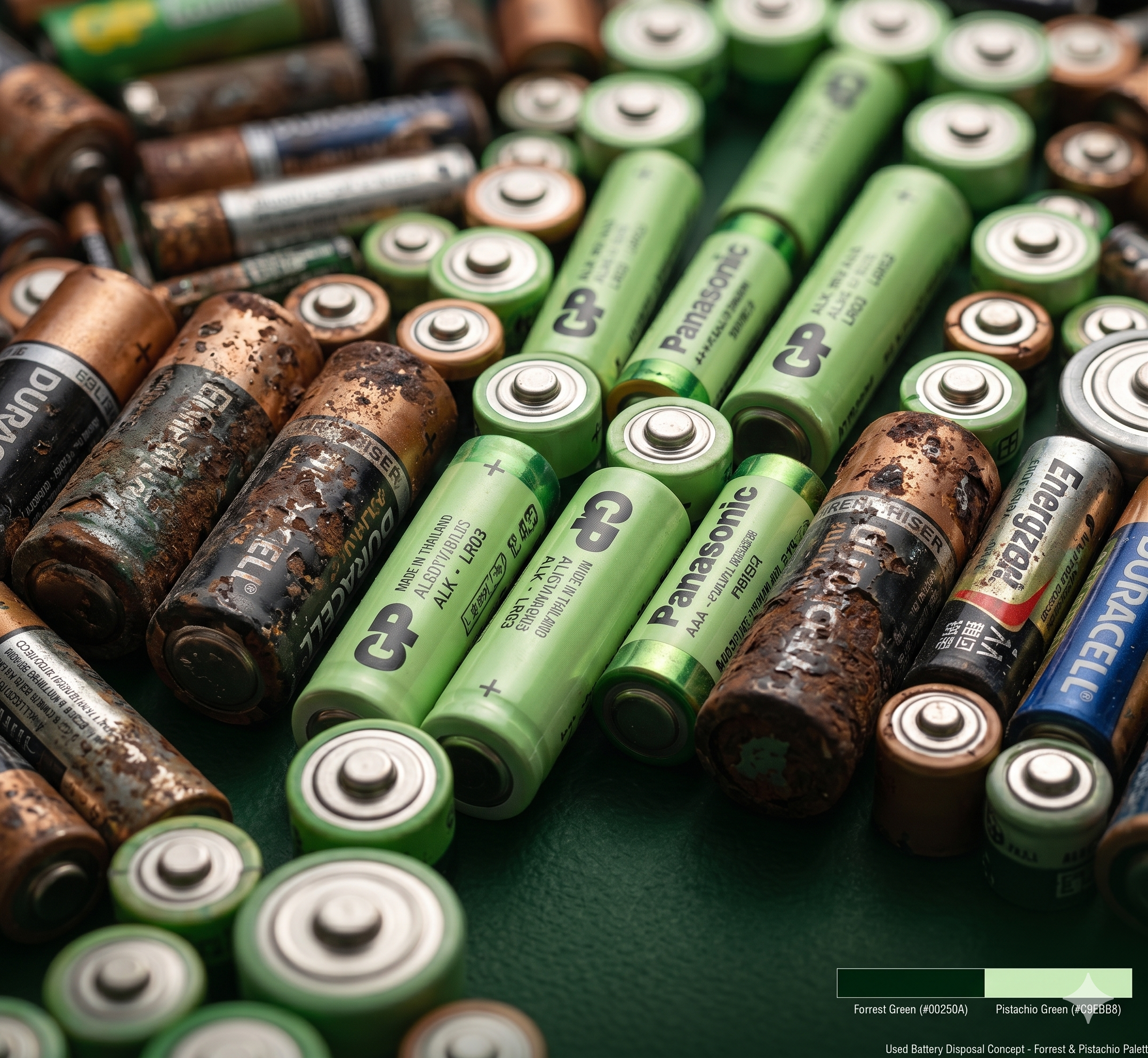
Nærbillede af AA-batterier arrangeret på mørkegrøn flade

Producer Responsibility Organisation - when is it mandatory?

For portable batteries and batteries for light means of transport, affiliation with an approved PRO is mandatory.

For industrial batteries, SLI batteries and EV batteries, choosing a PRO is voluntary.

Many companies still choose a PRO because the practical handling would otherwise have to be managed individually. Batteriretur covers all five battery categories.

Frequently asked questions