The function of the product determines whether it is covered — not what your company calls it. Here you get an overview of which electronics are typically covered, which exemptions apply, and where the grey areas arise.
Extended Producer Responsibility covers classic consumer electronics as well as products with electrical controls, sensors, motors or displays. When reporting, the equipment must be assigned to one of seven statutory categories: temperature exchange equipment, screens, light sources, large equipment, small equipment, small IT and telecommunications equipment, and photovoltaic panels.
As a general rule, a product is covered if it depends on electric currents or electromagnetic fields in order to work properly - and is designed for use with a voltage rating not exceeding 1,000 volts alternating current or 1,500 volts direct current.
This also applies to equipment for the generation, transfer and measurement of electric currents and electromagnetic fields. EPR therefore covers far more than classic consumer electronics and may also apply to products used in workplaces, shops and industry.
For example refrigeration and freezing equipment, heat pumps, air-conditioning equipment and other equipment used for heating, cooling or temperature regulation.
For example televisions, computer monitors and equipment with a screen surface above the relevant size threshold.
For example LED light sources, fluorescent tubes and other light sources covered by the electronics rules.
For example larger appliances, machines and equipment where an external dimension exceeds the relevant size threshold.
For example smaller electrical products, tools, toys and equipment with a motor, sensor or electrical function.
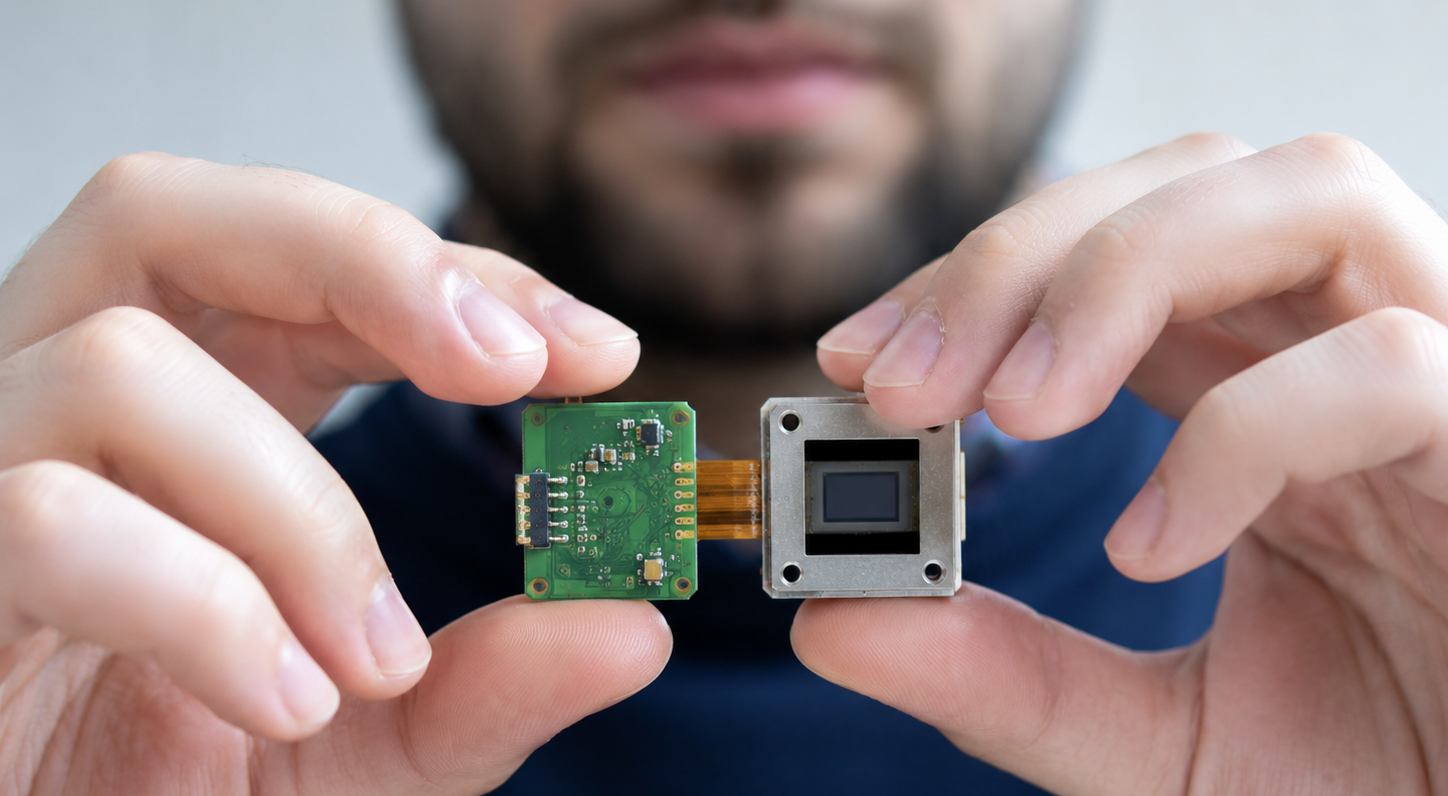
For example mobile phones, routers, tablets, printers and other smaller IT and telecommunication equipment.
Solar panels and other photovoltaic equipment covered as a separate category.
The categories apply regardless of whether the product is sold to households or businesses. Household/business is a separate reporting data point that concerns where the product becomes waste.
The correct category matters for registration, reporting, financing and the practical management of the waste. It may also affect how obligations and quantities are allocated within the scheme. It is therefore important that categorisation is based on the product's function, size and use - not only on the product name.
Read about data and reporting for electronics.
The rules include exemptions. The most important include certain motorised vehicles, ships, aircraft and trains, military equipment and equipment for national security, space equipment, large-scale stationary industrial tools, large-scale fixed installations, mobile non-road machinery for professional use, certain types of medical equipment and business-to-business research and development prototypes.
Batteries and accumulators are regulated separately under battery EPR. If your electronics have built-in batteries, both the electronics and battery rules may therefore be relevant.
Read more at Danish Producer Responsibility's electronics page.

Products with batteries may be covered by two sets of rules If your electronic products contain batteries, the product itself may be covered by EPR for electronics, while the battery is regulated separately under the battery rules.
This means that the weight of the battery must be deducted when you calculate the weight of the electronic equipment for reporting. The battery is handled separately under battery EPR.

Electronics covers a wide range of products, and reporting across the seven equipment categories can be complex.
We help you connect products, quantities and categories, so your data is structured correctly. With Returportalen, you get a solid data foundation that ensures you have the statutory documentation you need - exactly when you need it.