1. Home
  2. emballageretur
  3. Which types of packaging are covered by EPR?

Which types of packaging are covered by EPR?

EPR does not only apply to the packaging the product is sold in. As a general rule, all packaging and all types of packaging are covered. This also applies to packaging that groups products, protects them during transport or is used in special contexts.

EPR covers all packaging

Extended Producer Responsibility covers all types of packaging used to pack, protect, handle, deliver or present a product. This includes sales packaging, multipacks and transport packaging, regardless of material, except for packaging handled through the existing deposit and return system.

What characterises packaging?

Packaging is not only the wrapping the customer sees on the shelf. An item can be packaging if it is used to contain, protect, handle, deliver or present a product. It may also be a part that functions as an integrated component of other packaging.

Uncertainty may arise as to whether part of a packaging item or product should be regarded as packaging or as part of the product itself. As a general rule, packaging parts and auxiliary elements that are built into the packaging or function as packaging are regarded as part of the packaging. Elements that are a fixed and integrated part of the product, on the other hand, are not regarded as packaging if both the element and the product are to be used or disposed of together.

The three basic types of packaging

Sales packaging

Sales packaging, also known as primary packaging, is the packaging in which the individual product is sold. Examples include a shampoo bottle, a blister pack, a milk carton or a meat tray.

Multipack packaging

Multipack packaging, also known as secondary packaging, groups several sales units. Examples include the plastic film around a six-pack or a cardboard box containing several units of the same product.

Transport packaging

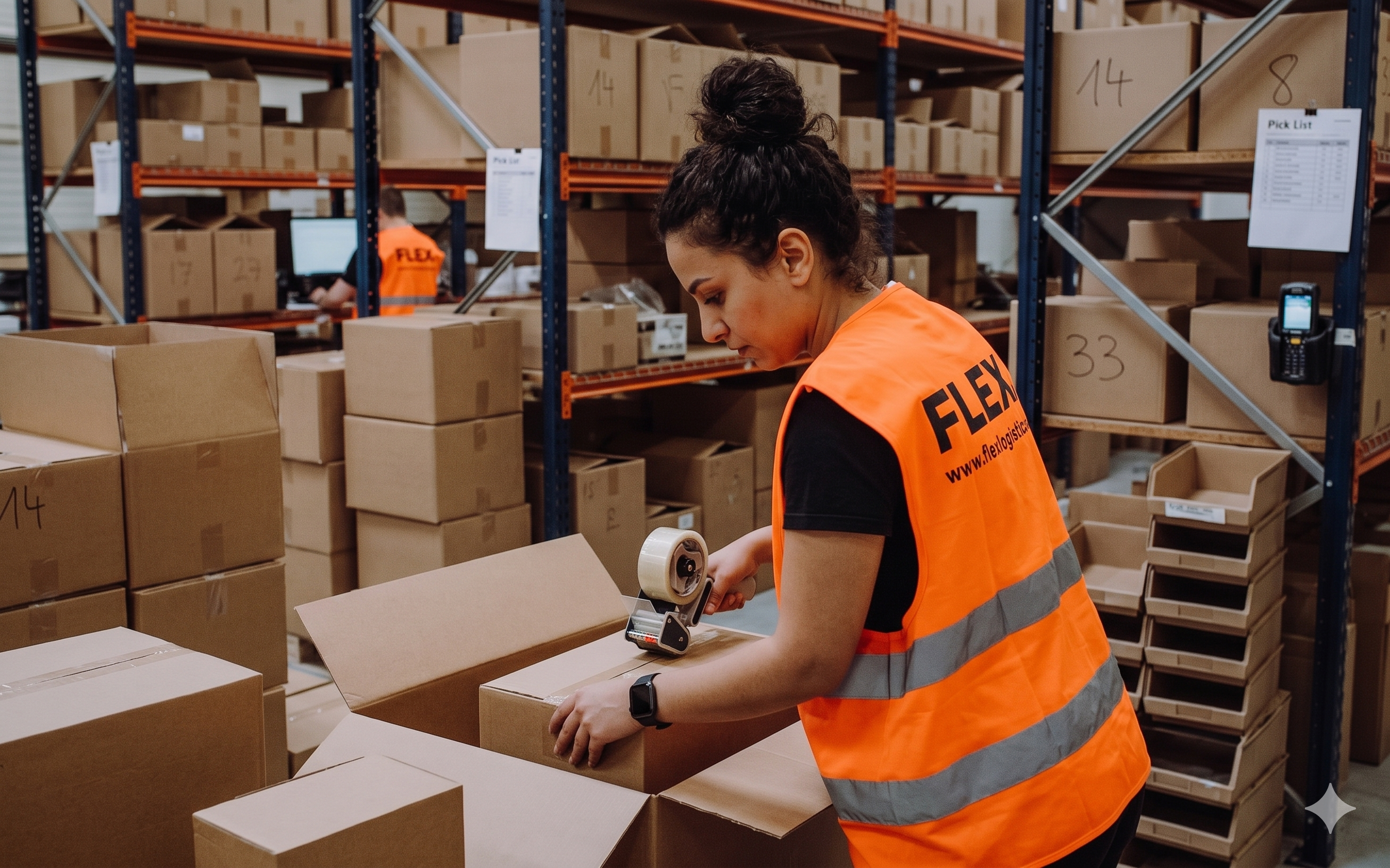
Transport packaging, also known as tertiary packaging, protects goods during transport and makes them easier to handle. Examples include stretch film, pallets and shipping boxes. In some cases, special rules apply to who has EPR for transport packaging.
Special types of packaging you also need to know

Service packaging

Service packaging is packaging filled at the point of sale. Examples include coffee cups, takeaway boxes or empty single-use cups in retail. This type of packaging is relevant because special conditions may apply to who has EPR.

Reusable packaging

Reusable packaging is packaging designed to be used several times for the same purpose in an active return system - for example EUR pallets in a return scheme, IBC tanks and return boxes. Additional requirements apply to reusable packaging, and these are important to know.

Primary production packaging

Primary production packaging is packaging for unprocessed products from, for example, agriculture, fisheries, hunting and harvesting. For this type of packaging too, there may be differences in who in the value chain has EPR.

Materials to be reported

When packaging is reported, it must be divided into the relevant material categories:

If the packaging consists of several materials that cannot easily be separated, it must generally be reported under the material it primarily consists of. If the packaging consists of several parts that can be separated, it may be necessary to assess the parts individually.

The material is not the only factor that matters. You must also be able to assess whether the packaging becomes waste in households or in businesses. In the same product flow, sales packaging and transport packaging may therefore need to be handled differently.

When you report to Emballageretur, you only report on material categories, end user, sorting and eco-modulation level. This means that you are not required to divide your quantities by packaging type.

Leave the heavy administration to us

Keeping track of material categories, deadlines and quantities can be complex.

Keeping track of material categories, deadlines and quantities can be complex. As a member of Emballageretur, you get access to Returportalen, which helps you organise your data and manage reporting in a structured way. We monitor regulatory developments and provide the framework you need to report correctly and stay compliant.

Frequently asked questions