When Textile Waste Becomes a Marketable Raw Material
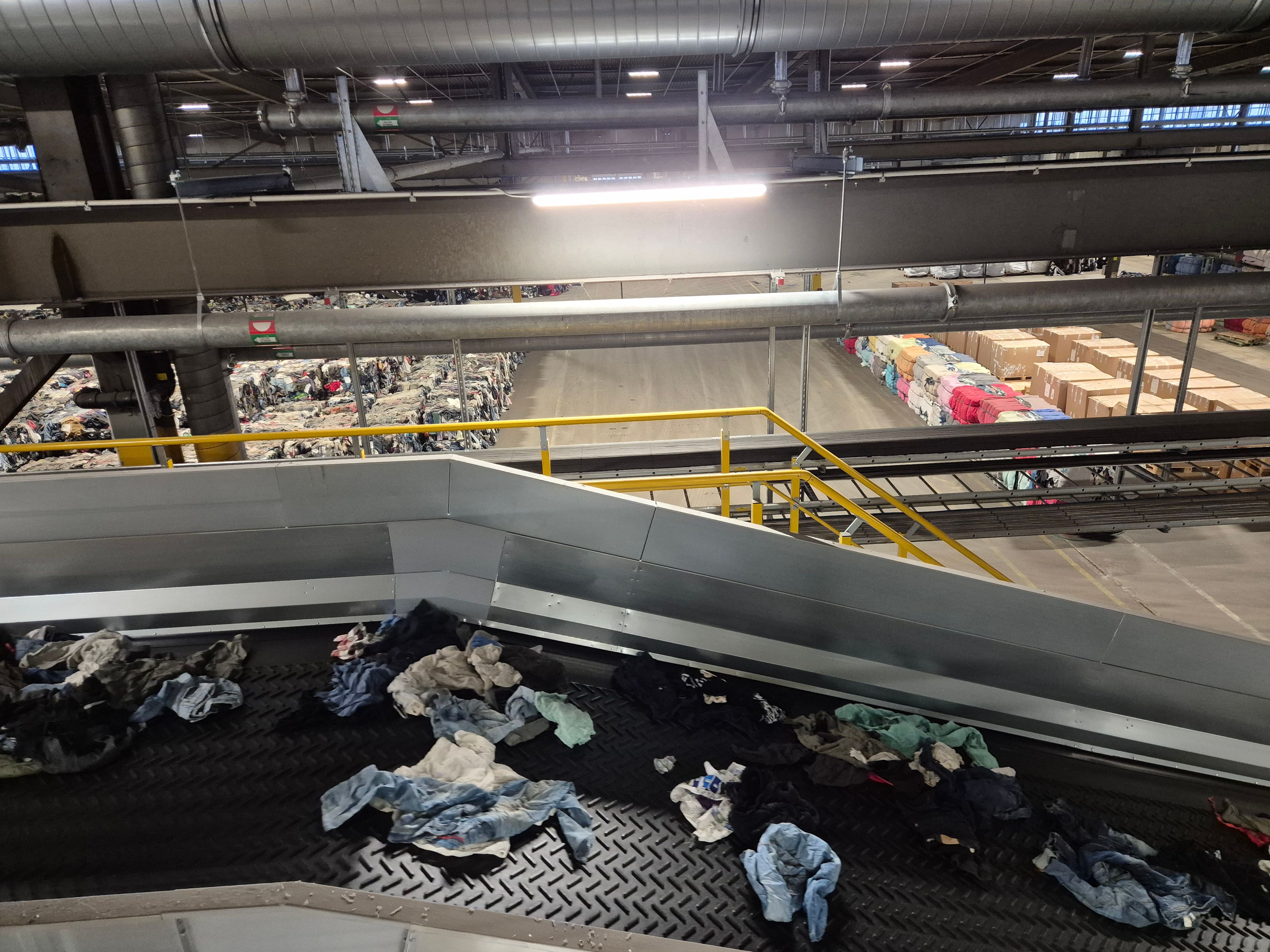
The Swedish waste management company Sysav operates the Siptex facility in Malmö. The facility can automatically sort textile waste by type and, according to Sysav, is large enough to handle all textile waste generated across Scandinavia.
At the time of Tekstilretur’s visit, Siptex was processing textile waste collected in Sweden. This is the type of waste that producers will take responsibility for when extended producer responsibility for textiles comes into force.

The Siptex facility in Malmö can sort 4.5 tonnes of textiles per hour and has an annual capacity of 20,000 tonnes. The sorting process involves textiles being transported on conveyor belts and scanned using so-called NIR scanners. These scanners can identify the colour and fibre composition of the textiles and sort them accordingly.
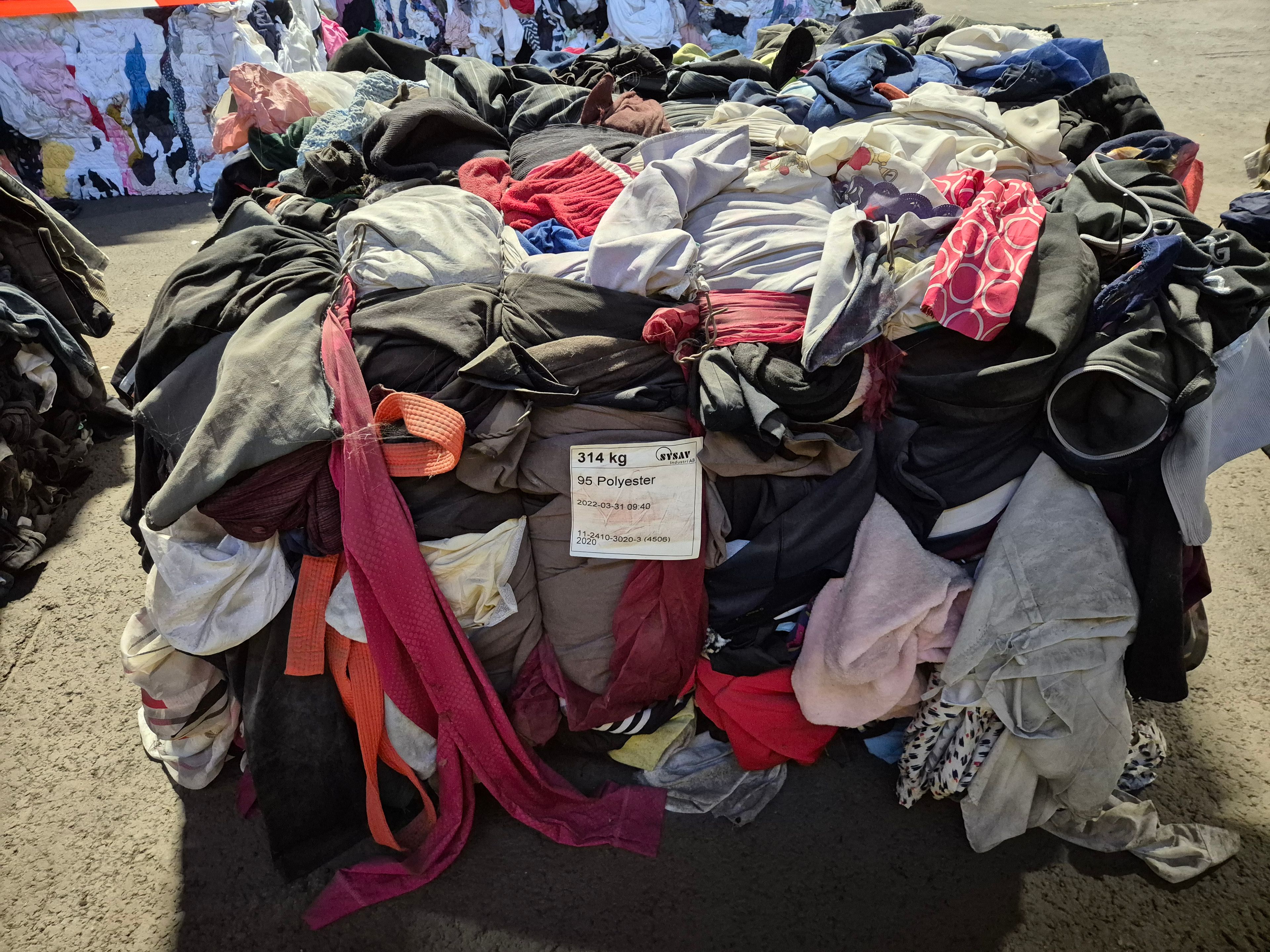
The fibres targeted are cotton and polyester, as well as blends of the two. However, the textiles must first be pre-sorted in accordance with Siptex’s guidelines. The facility cannot handle other types of materials, such as plastic bags and shoes, or textile items that are too large.
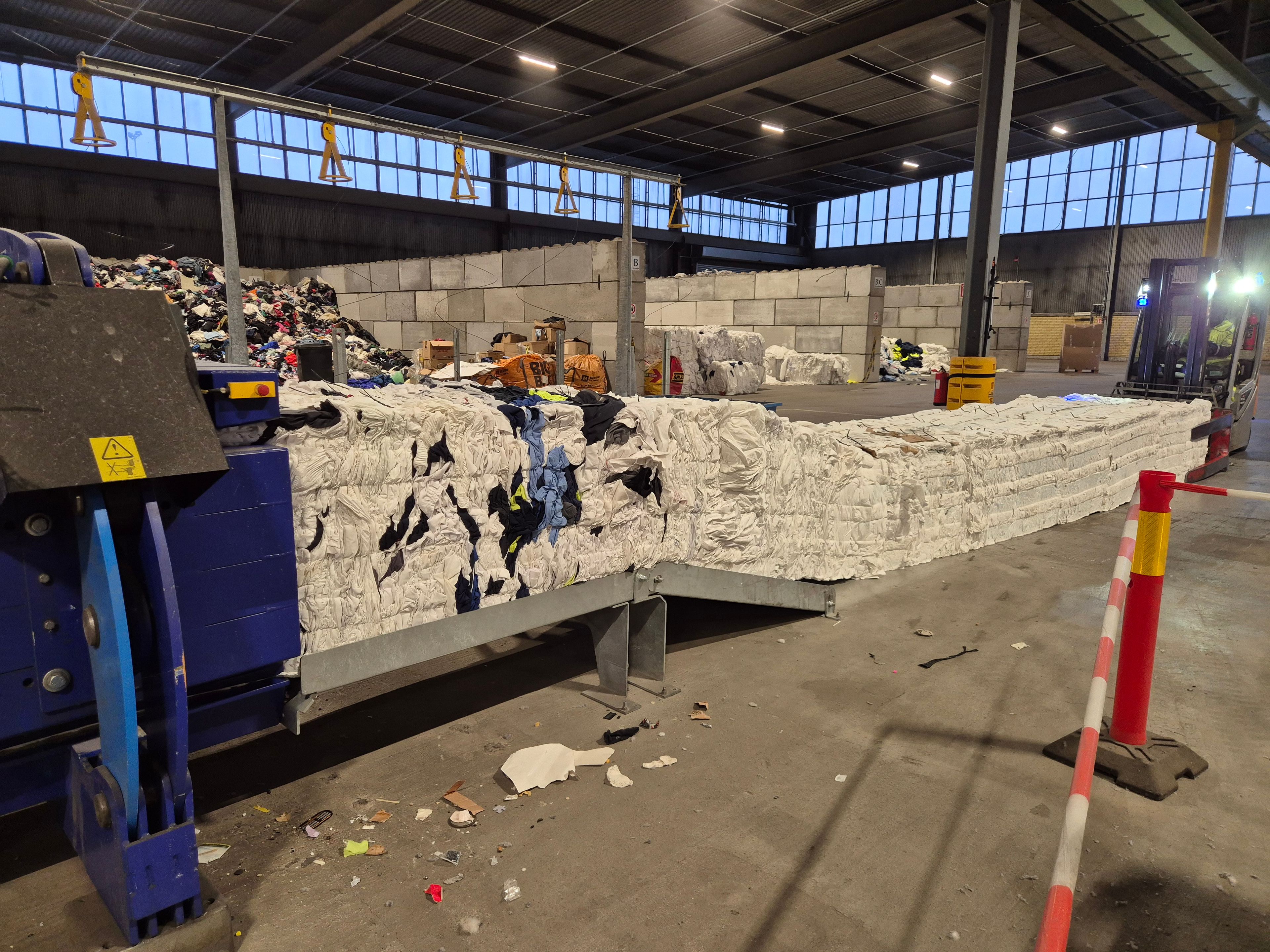
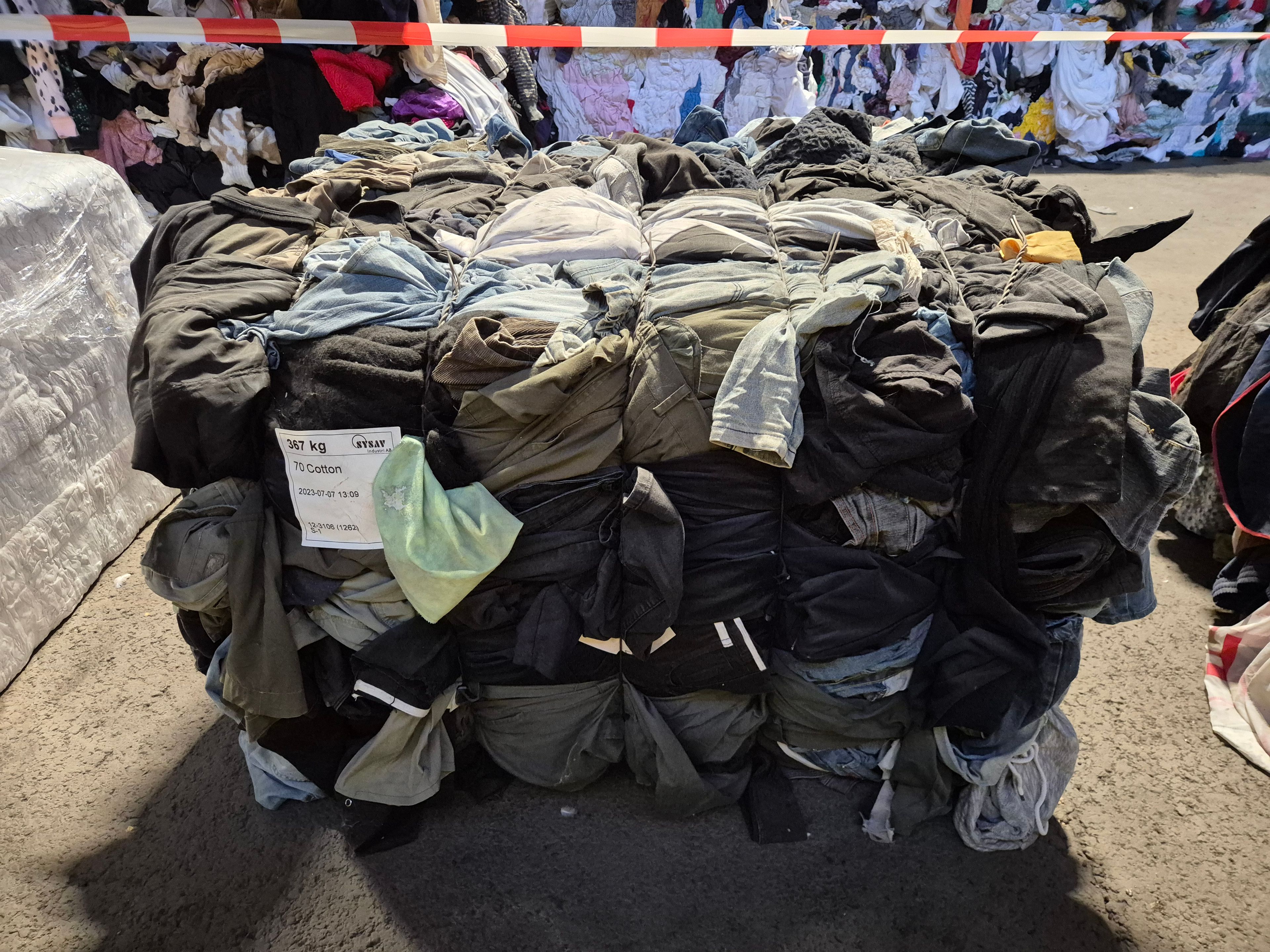
The end product of the sorting process at Siptex is bales of homogeneous textiles with the same fibre composition. Once the textiles have been sorted in this way, they become a marketable commodity with a value, even though the textiles themselves have not undergone any further processing.
When Tekstilretur visited ealier in 2026, the facility was up for sale, as there were challenges in making sufficient use of its capacity and ensuring a financially sustainable business model for the sorting facility. It has not been sold yet.
The visit to Siptex was part of the Nordic PRO collaboration, in which we work across Denmark, Norway and Sweden to prepare the best possible framework for the treatment and management of textile waste under extended producer responsibility.