End-of-life textiles: Two streams with major differences
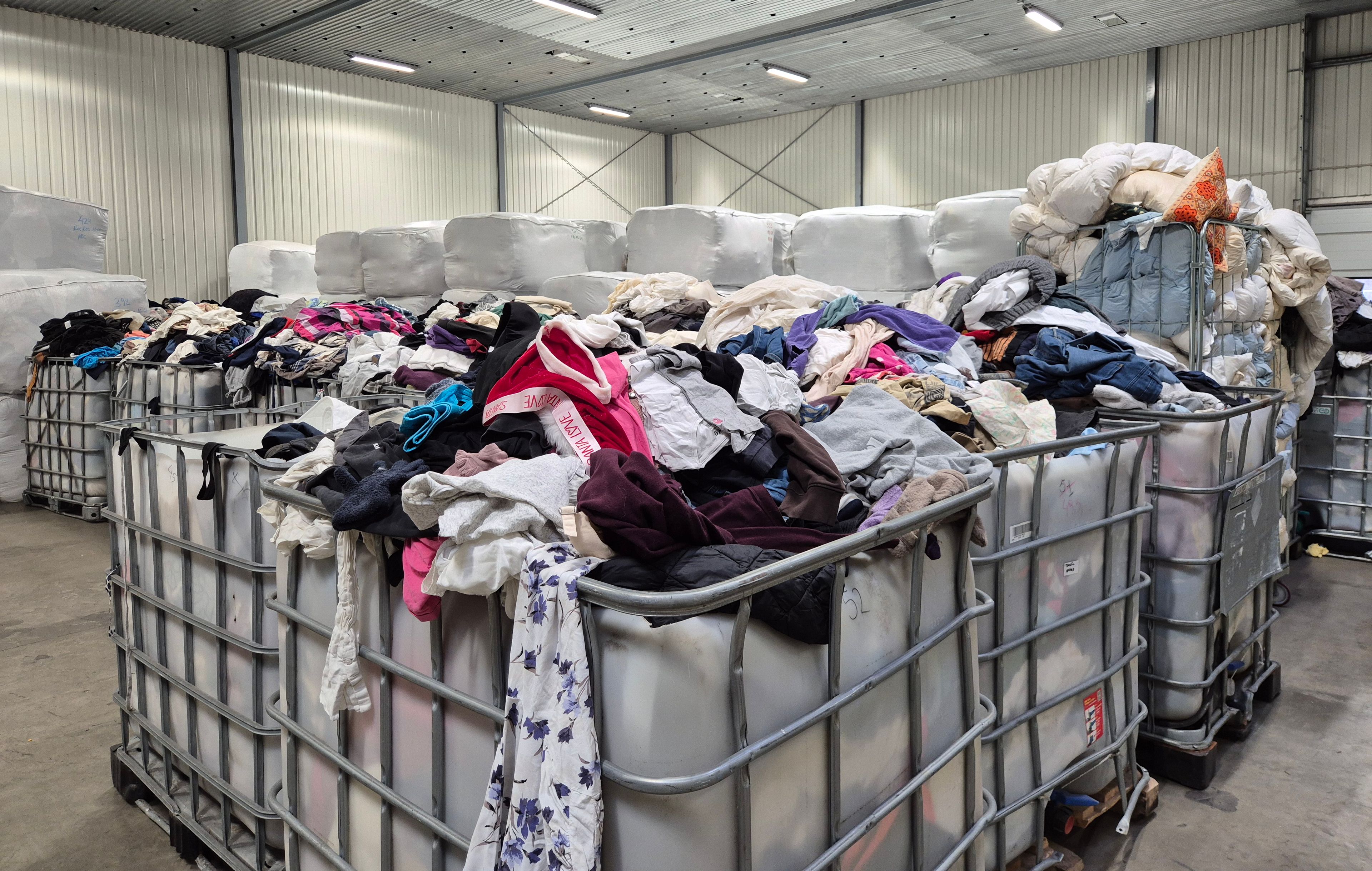
In Denmark, we distinguish between two streams of discarded textiles: textiles collected for reuse and textile waste collected by municipalities.
UFF Humana has several decades of experience collecting and handling textiles for reuse. In recent years, the organisation has also entered the textile waste market and now handles this fraction on behalf of municipalities.
UFF Humana therefore has extensive knowledge of the composition of both streams of end-of-life textiles.
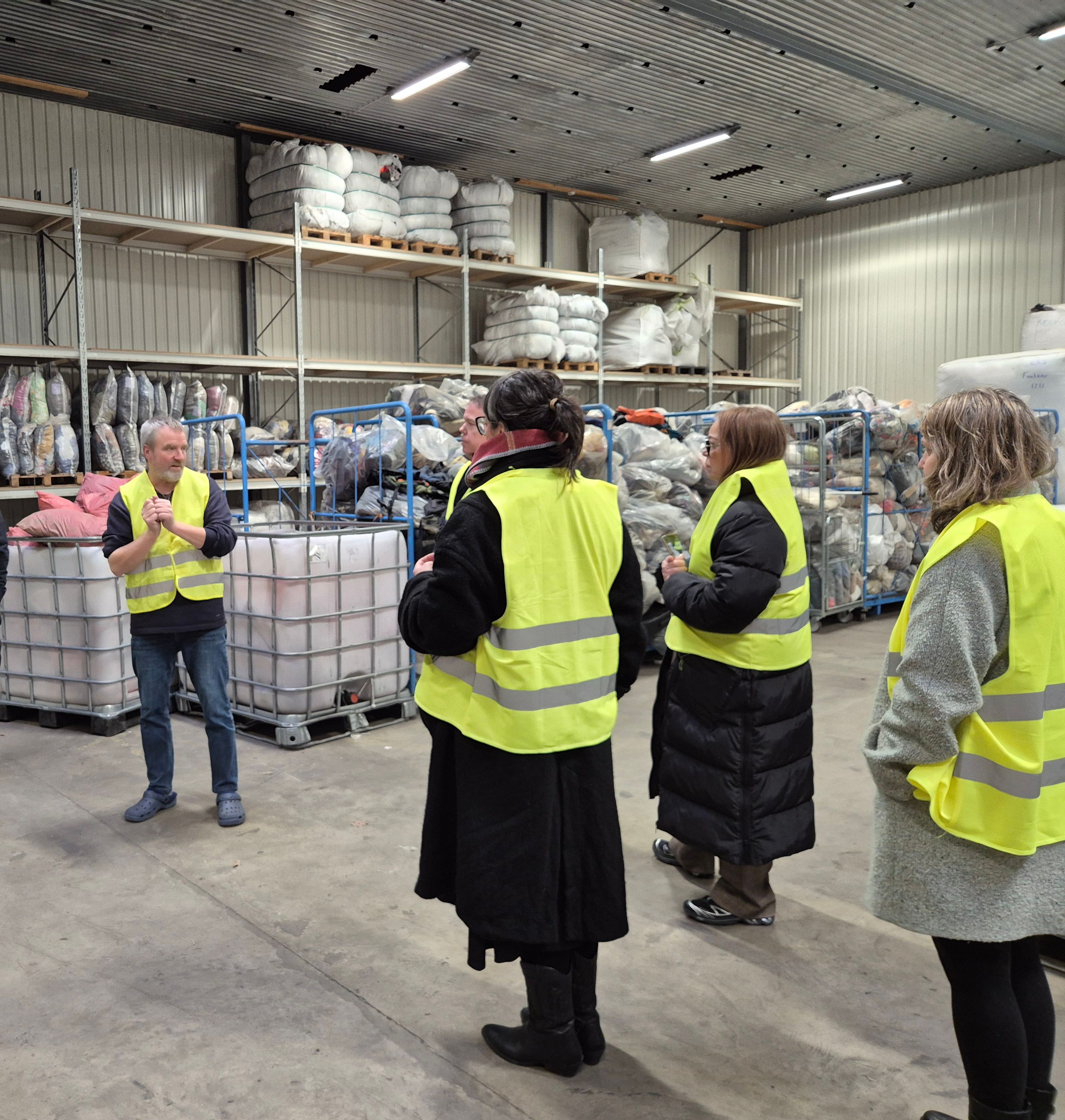
This is why Tekstilretur, together with our Nordic colleagues, visited UFF Humana to gain a closer insight into the differences between the two streams.
This insight is important because the collection of textiles for reuse will also be covered by the extended producer responsibility rules under the Waste Framework Directive.
One of the major changes coming in 2028 is that textiles handed in by citizens will always be classified as waste, even when they are handed in for the purpose of reuse. They can only be reclassified as reusable textiles following a professional assessment.
Following the sorting of reusable textiles collected by social enterprises, the discarded textile waste could be transferred to producer responsibility organisations such as Tekstilretur. This makes it relevant to also gain a better understanding of what this stream consists of.
In 2024, municipalities collected 6,700 tonnes of textile waste, while social enterprises collected 52,800 tonnes of textiles for reuse.
Only around half of all textiles are separately collected from households, while it is estimated that the other half ends up in general waste or incineration.
UFF Humana continuously collects data on the composition of the two streams, and the data shows that they are very different.
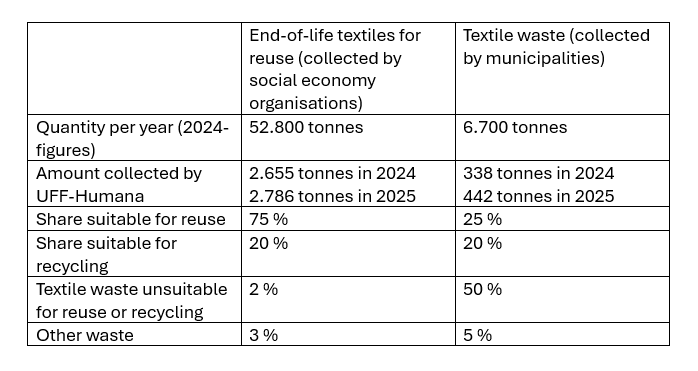
The key difference between the two waste streams is the quality.
There is significantly less reusable material in textile waste. At the same time, reusable textiles are the ones with the highest value. From 2028, producers will have to take over responsibility for household textile waste.
At the same time, a large proportion of the textile waste is unusable, often due to moisture or dirt.
There is therefore significant potential to move these volumes further up the waste hierarchy in order to achieve better results and a stronger economic case.
This is, of course, something we are looking into more closely at Tekstilretur.
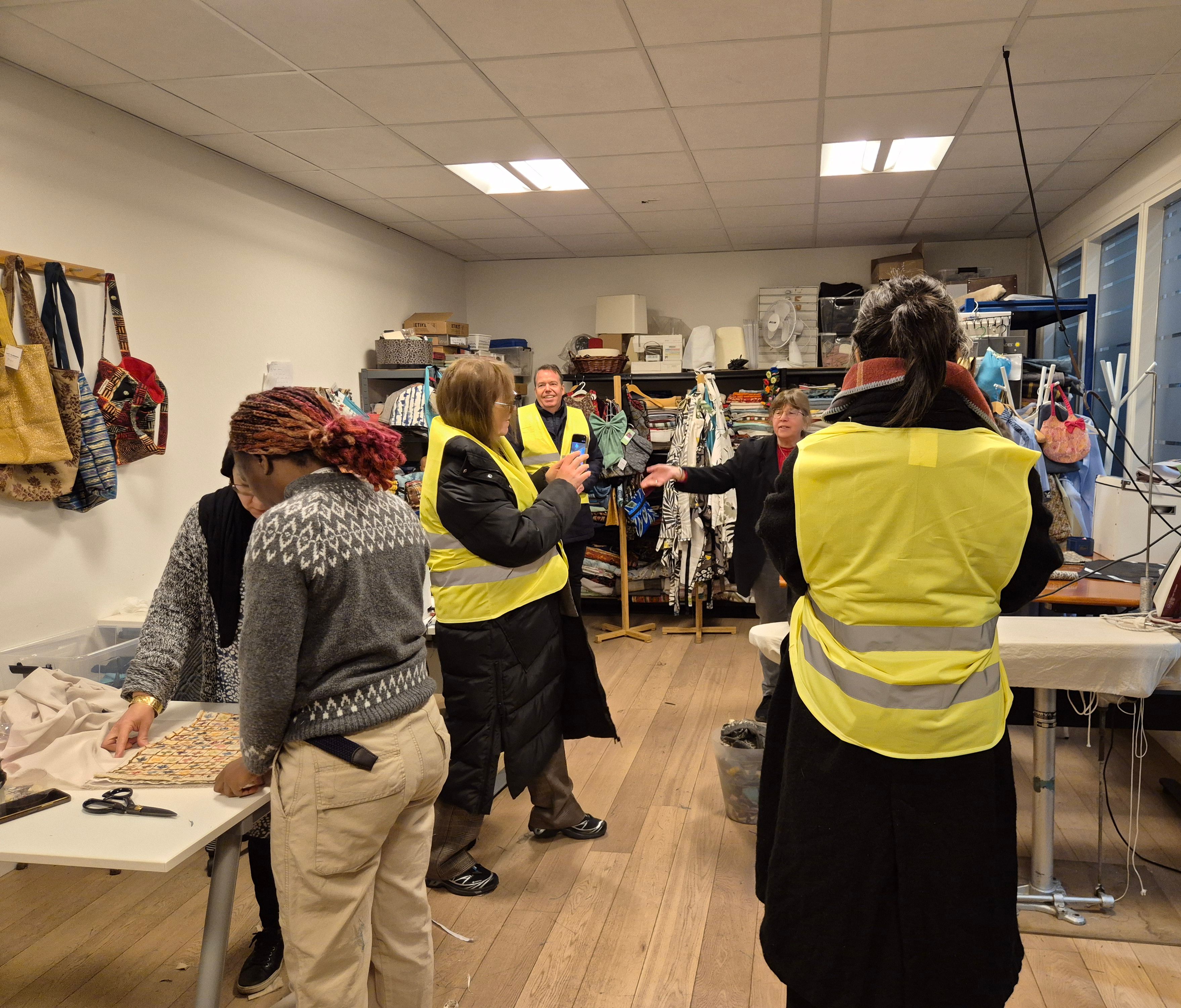
UFF Humana has also chosen to explore repair and preparation for reuse on a smaller scale. They have partnered with a workshop that includes a small sewing facility, where good-quality textiles that cannot immediately be reused are processed — for example, because they have a logo on them.
Repair and extending the lifespan of textiles are also mentioned in the Waste Framework Directive.
UFF Humana’s experience could therefore become relevant for Tekstilretur if producers are required to comply with the Directive’s obligations to inform citizens about, among other things, repair, preparation for reuse, refurbishment, etc.
The visit to UFF Humana was part of the collaboration within Nordic PRO, where we are working across Denmark, Norway and Sweden to prepare the best possible framework for the treatment of textiles under the extended producer responsibility.