Working Together to Find Solutions to the Challenges of Textile Waste: A Nordic Study Tour to Herning
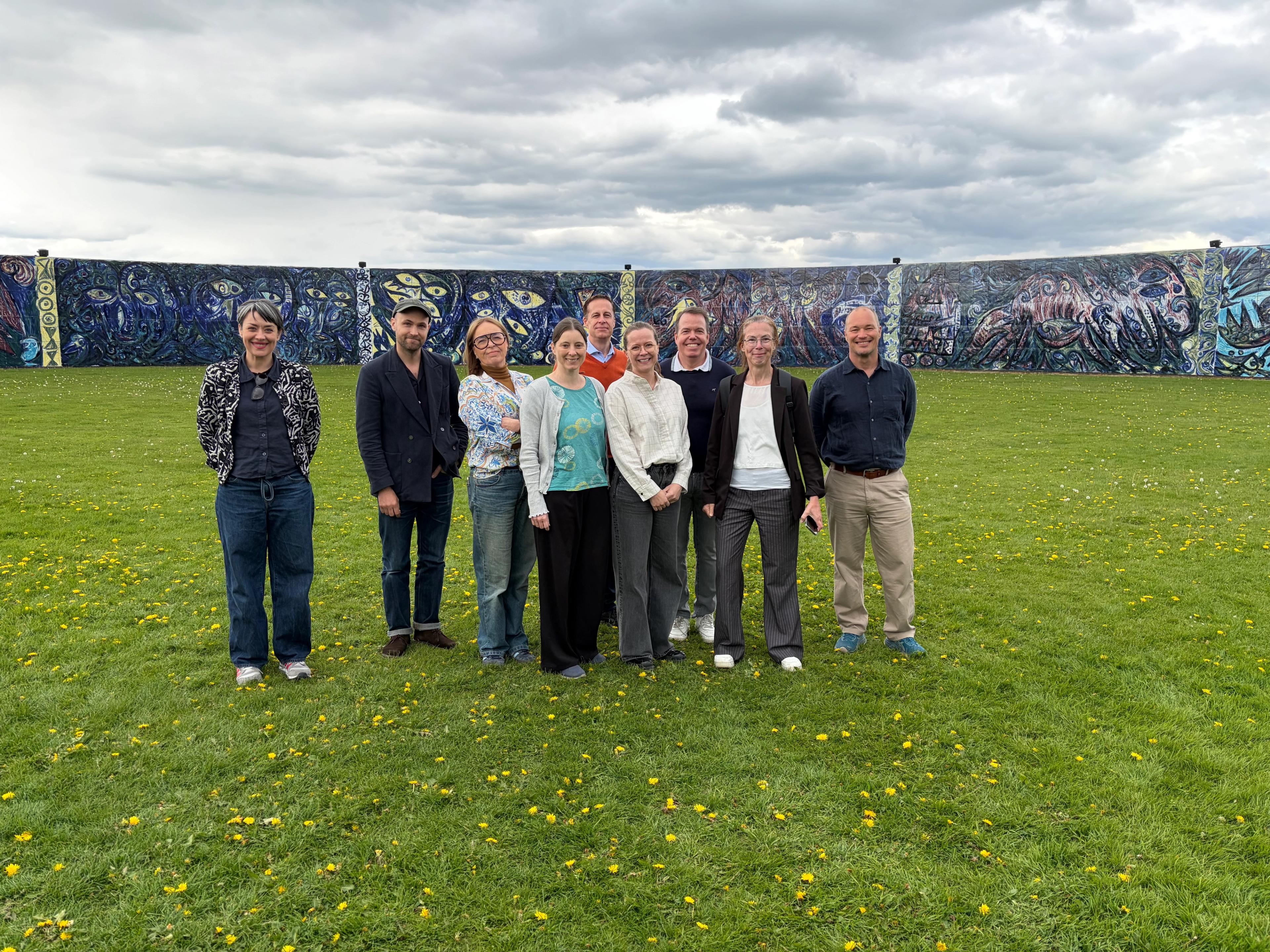
Tekstilretur works together with other producer responsibility organisations and industry associations across the Nordic region on the implementation of the new extended producer responsibility scheme.
The collaboration includes Norsirk and NF&TA from Norway, Borås and TMR from Sweden, and DM&T and Lifestyle & Design Cluster from Denmark.
We are working together because most EU countries are currently in the same situation, with extended producer responsibility being implemented on the basis of the Waste Framework Directive.
Norway has chosen to follow the same regulatory framework and timeline. This provides a good basis for cross-border collaboration, not least because the Nordic countries are relatively similar.
At Retur, we already have established collaborations across Europe and the Nordic region on other extended producer responsibility schemes, so it was a natural next step to establish a group specifically focused on textiles.
Given the timing, there are excellent opportunities to learn from one another and make use of synergies across borders. One such synergy is joining forces to address the challenge of treating textile waste as part of extended producer responsibility.
Textile waste will be more difficult to manage than the other types of waste we have traditionally handled under extended producer responsibility. This is due to a combination of a large supply of low-quality waste, an immature recycling market and a lack of demand for the end products.
At the same time, the recycling market is under pressure because exports are being restricted while volumes are increasing, and buyers are dropping out due to competition from low-cost new textiles.
Against this backdrop of multiple challenges, we as producer responsibility organisations need to find the best possible solutions for our members. We believe that we can achieve competitive prices and create incentives for development and investment most effectively by working together across countries and coordinating the future treatment of textile waste across the Nordic region.
The trip to Herning began with a visit to NewRetex, which receives post-consumer textile waste directly from households and carries out further sorting. Over several years, the company has expanded its mechanical sorting technology, which sorts textiles according to colour and fibre composition.
The next stop was Dissolva, a company developing chemical recycling of cotton (cellulose fibres) and polyester (polymers). The plan is to have a large-scale facility up and running within the next few years. We were also given the opportunity to see their research project, in which fibres are extracted from grass. These fibres can be added to the cellulose fibres from textile waste to improve their quality.
The final stop was VIA University College, which was just completing the READY project. Here, researchers study the lengths and qualities of recycled fibres. They are also testing methods for using the fibres in ways that give finished textile products the longest possible lifespan.
Although the recycling market is still immature, recycling technologies have matured significantly in recent years, as the study tour demonstrated. This also means that the requirement under extended producer responsibility for producers to scale up fibre-to-fibre recycling capacity in Europe is far more realistic today than it was just a few years ago.
The most important task for the Nordic group now is to continue working on the role we should play as producer responsibility organisations in creating the right framework for future market development, while ensuring that our members meet their obligations for high levels of actual recycling and reuse at a competitive price and with credible data.