1. Home
  2. What is Extended Producer Responsibility?

What is Extended Producer Responsibility?

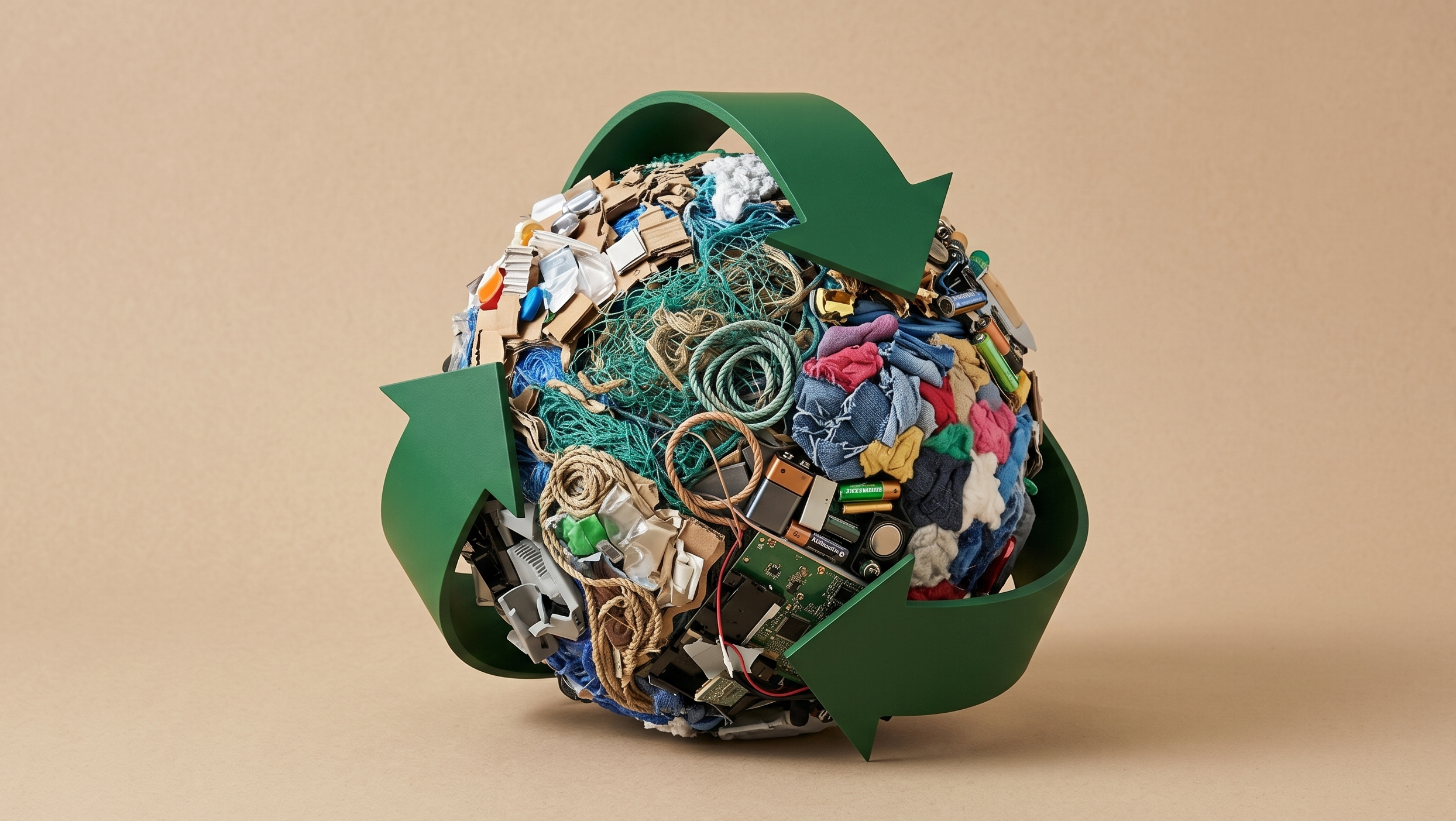
Extended Producer Responsibility (EPR) means that companies that place certain products on the market are also responsible for those products when they become waste. This responsibility is primarily financial and organisational: your company must finance and ensure that the products you have placed on the market are collected and treated correctly when they reach end of life.
Why does EPR exist?

EPR is based on the EU principle that the polluter pays. Instead of leaving society, municipalities or citizens to bear the costs of waste management, the responsibility is placed with the companies that place the products on the market.

The purpose is to ensure an efficient waste infrastructure, strengthen reuse and recycling, and create incentives for more sustainable product design. In Denmark, EPR is mandatory across a number of product areas, and the rules set specific requirements for registration, reporting, payment and documentation.


Who is covered?

EPR does not only apply to producers in the traditional sense. It also applies to companies that:

In other words, the decisive factor is not only who manufactured the product, but who first makes it available on the Danish market. In some product areas, trademarks, private label and the role of importer also affect where the responsibility is placed.

Which product areas may your company be covered by?

Electronics

Electrical and electronic equipment is covered by Extended Producer Responsibility (EPR). This applies to many types of products — from household appliances and IT equipment to lighting, tools and products with electrical functions.
Read about EPR for electronics

Batteries

All types of batteries may be covered — both loose batteries and batteries incorporated into products.
Read about EPR for batteries

Packaging and single-use plastics

Packaging and packaged products are covered by Extended Producer Responsibility, and certain single-use plastic products are also subject to separate requirements.

Read about EPR for packaging
Read about EPR for single-use plastics

Fishing gear containing plastic

Extended Producer Responsibility for fishing gear containing plastic took effect on 1 January 2025.
Read about EPR for fishing gear

Textiles and footwear

Extended Producer Responsibility for textiles and footwear has been adopted in the EU and is expected to be implemented in Denmark.
Read about EPR for textiles

Cars

Cars are also covered by Extended Producer Responsibility in Denmark. Retur does not handle EPR for cars.

What does EPR involve in practice?

If your company is covered, it will typically mean that you must:

There are many tasks to keep track of - and the scope increases the more product types your company places on the market.

Retur helps you meet your responsibilities

Retur is a family of non-profit Producer Responsibility Organisations (PROs) that handle EPR on behalf of companies.

As a member of Retur, you get help with registration, reporting, waste management, documentation and ongoing administration - so you can focus on your business.

Retur is non-profit, member-owned and covers electronics, batteries, packaging, fishing gear and textiles. If your company has EPR obligations across several product types, you can bring them together in one place through a membership with us.

Frequently asked questions about EPR